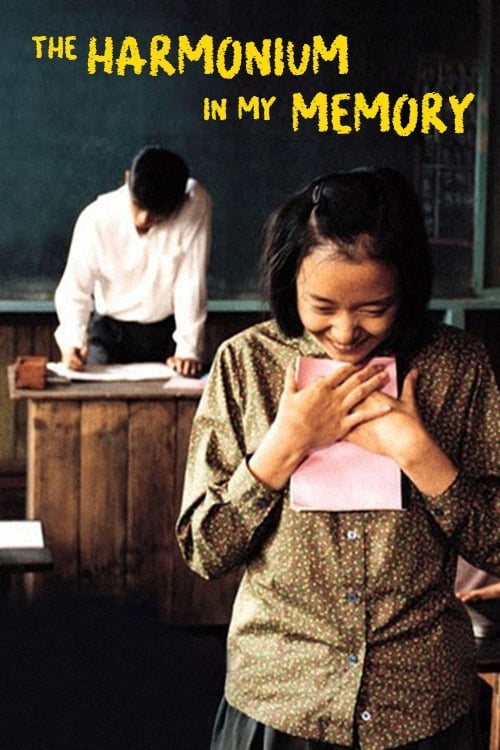
The Harmonium in My Memory
1999
No user ratings available yet
Representation score: 3.6 out of 10

Representation Score
Fair
2000
Director
Kwak Ji-kyoon
Runtime
118 minutes
Average Rating
No ratings yetNew Showbiz Analysis
Plum Blossom is a character-driven story that explores emotional volatility and the consequences of social isolation. It moves away from idealized storytelling by embracing a fatalistic view of human connections and sexual ability to act. The film delves into the darker aspects of romantic transgressions and the psychological impact of interpersonal neglect. While it avoids overt identity politics, it uses its characters to challenge traditional views of youthful innocence. Overall, the work adheres to traditional genre conventions, offering a localized, realistic portrayal of trauma without systematically dismantling social hierarchies.
Category Breakdown
The story focuses on heterosexual romance and a student's crush on a teacher, which is socially taboo. It's unclear if this explores queer identity or just institutional rules.
Hara breaks the stereotype of passive females by initiating sexual experiences that drive the main conflict. However, the narrative risks portraying women's ability to drive the story through tragic and victimized roles.
The film features a predominantly South Korean cast. It avoids a Western-centric viewpoint but does not actively dismantle ethnic hierarchies within its setting.
The film criticizes strict institutional authority and traditional social structures. It portrays schools and families as places where emotional trauma can occur rather than stability.
There are no visible or invisible disabilities that play a central role in the narrative.
Present on Screen
Limited or Absent
Official Synopsis
High school senior, Jayo is seduced into his first sexual experience by classmate Hara, who eventually kills herself when he ignores her. Since then, he immerses himself in loveless sex until he meets cheerful nurse, Namok. Meanwhile, his pal Seuin has developed a crush on his teacher, which is socially taboo.
1999

1931

2019
2008

2012
2006

2001
2005
No reviews yet. Be the first to share your thoughts on this movie!
Use the rating form above to leave a star rating and optional review.