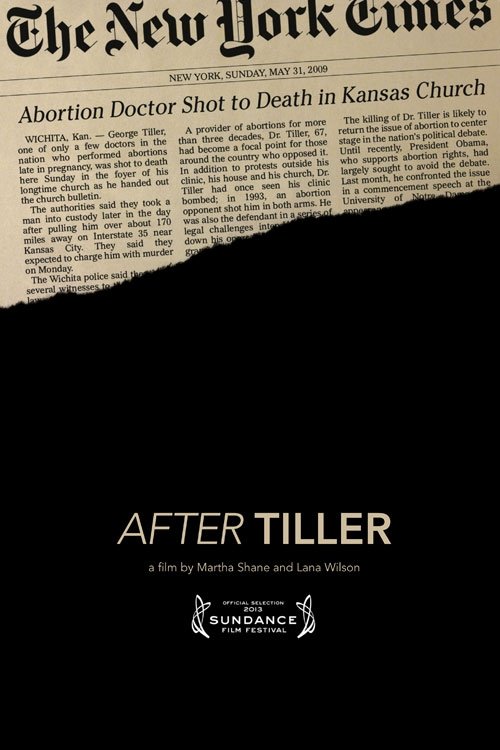
After Tiller
2013
No user ratings available yet
Diversity score: 7.6 out of 10
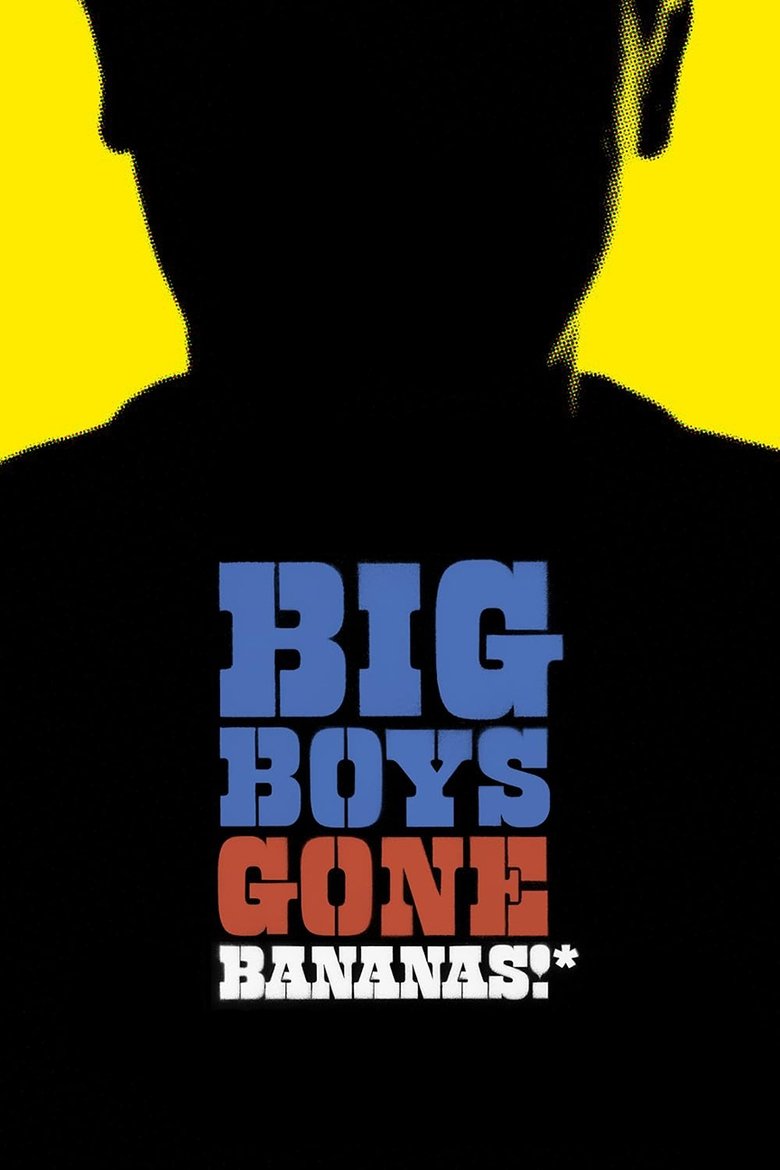
2011
Director
Fredrik Gertten
Runtime
90 minutes
Average Rating
No ratings yetSynopsis
The conflict between Dole Food Company and Swedish filmmaker Fredrik Gertten unfolds dramatically in the documentary "BIG BOYS GONE BANANAS!" as the corporation attempts to suppress Gertten's earlier film, "BANANAS!"—chronicling Nicaraguan workers' lawsuit against Dole. Initially selected for the 2009 Los Angeles Film Festival, "BANANAS!" was abruptly removed from competition, followed by a negative article in the Los Angeles Business Journal and legal threats from Dole's attorneys. Gertten captures this saga of corporate intimidation, media manipulation, and legal challenges in his documentary, showcasing the struggles documentary filmmakers face and highlighting the threat to freedom of speech posed by powerful corporations protecting their reputations.
Overall Score
Good
Category Breakdown
LGBTQ+ Representation
The documentary does not feature narratives or characters centered on LGBTQ+ identities. The focus remains strictly on labor rights, legal battles, and corporate accountability.
Gender Representation
The film depicts both male and female workers within plantation ecosystems. It avoids traditional domestic tropes, presenting women as active participants in the socioeconomic struggle of the workforce.
Racial & Ethnic Diversity
The narrative is driven by the lived experiences of Latin American workers. Centering these voices disrupts a Western-centric gaze and provides high authenticity through real-life plantation workers.
Religious & Cultural Diversity
The film offers a profound critique of global capitalism and Western agribusiness. It prioritizes the perspective of the laborer against the extractive nature of established economic powers.
Disability Representation
There is no significant or identifiable focus on disability representation within the film’s primary narrative arc.
Strengths
Areas for Improvement
AI Analysis
Big Boys Gone Bananas! is a meta-documentary that shifts from a standard labor exposé to a critique of institutional power. It examines the friction between independent filmmaking and multinational corporate hegemony, specifically focusing on the suppression of investigative work. The film excels by centering the agency of marginalized labor populations in the Global South. By prioritizing the voices of Central American workers, it challenges traditional Western-centric perspectives and highlights the asymmetrical power dynamics between capital and labor. While the film lacks representation for LGBTQ+ and disability communities, its strength lies in its deconstruction of corporate authority. It serves as a vital examination of how powerful corporations use legal and media tools to protect their reputations.
No reviews yet. Be the first to share your thoughts on this movie!
Use the rating form above to leave a star rating and optional review.
