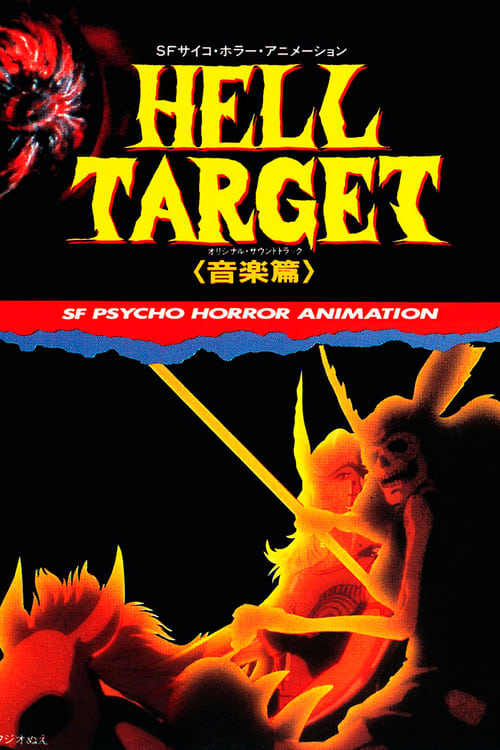
Hell Target
1987
No user ratings available yet
Representation score: 1.3 out of 10
Representation Score
Fair
1987
Director
Mizuho Nishikubo
Runtime
45 minutes
Average Rating
No ratings yetNew Showbiz Analysis
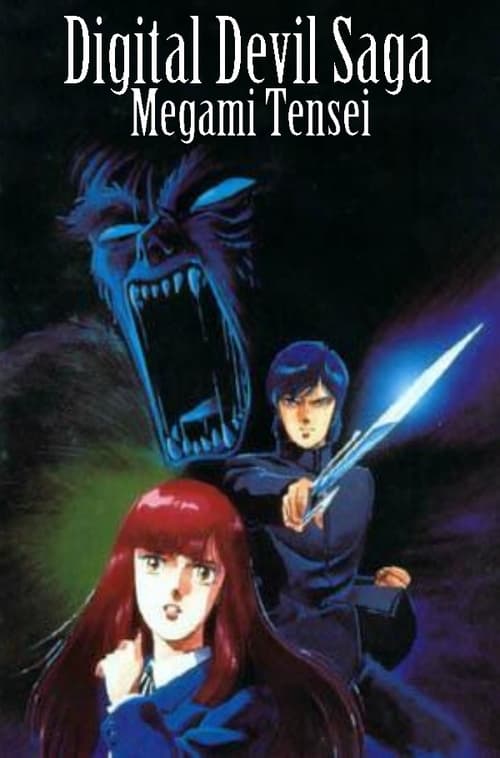
Digital Devil Story - Megami Tensei presents a dual perspective. While it maintains traditional gender and racial compositions, it also offers a sophisticated critique through cultural deconstruction. By employing demonic iconography to challenge established social orders and religious devotion, it provides a framework of moral relativism and situational ethics. Ultimately, the film prioritizes thematic depth over demographic diversity.
Category Breakdown
The film does not include any visible LGBTQ+ characters or non-cisgender identities. The interpersonal dynamics center around a conventional heterosexual relationship between Akemi and Yumiko.
The film upholds a traditional gender hierarchy, where supernatural abilities are reserved for the male protagonist. Yumiko mainly serves as a foil to Akemi’s technological and occult interests.
The cast is predominantly homogeneous, reflecting a modern urban Japanese setting. There is no indication of diverse ethnic identities or intentional demographic blending.
The film stands out by using Christian and occult imagery to emphasize a postmodern, subjective morality. It portrays the protagonist's rebellion against social hierarchies as a reaction to systemic oppression.
The narrative touches on psychological vulnerability and social isolation. However, these elements serve more as plot devices for supernatural transformation rather than nuanced explorations of mental health issues.
Present on Screen
Limited or Absent
Official Synopsis
Handsome high school student Akemi is a computer genius. One day a new girl, Yumiko, transfers to his class from another school. She quickly falls in love with Akemi but, absorbed in his computer, he pays her no attention at all. Akemi accidentally summons demons who wreak chaos on his enemies and friends.
1987
1989
1995
1987
1986
2011
1990
1986
No reviews yet. Be the first to share your thoughts on this movie!
Use the rating form above to leave a star rating and optional review.