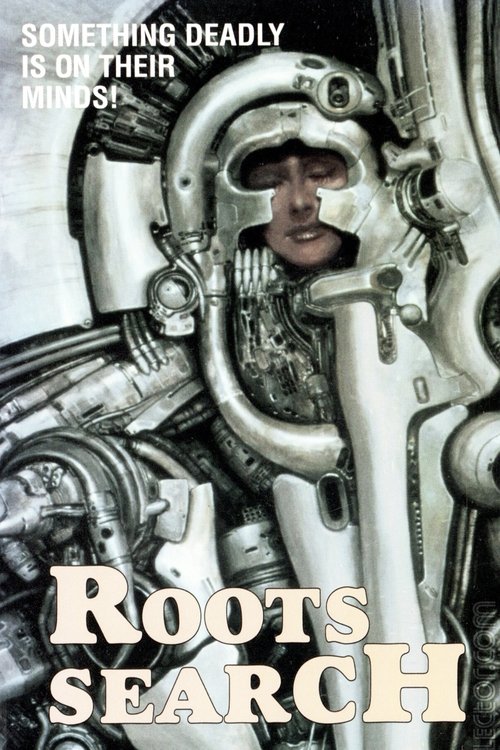
Roots Search
1986
No user ratings available yet
Representation score: 1.8 out of 10
Representation Score
Fair
2011
Director
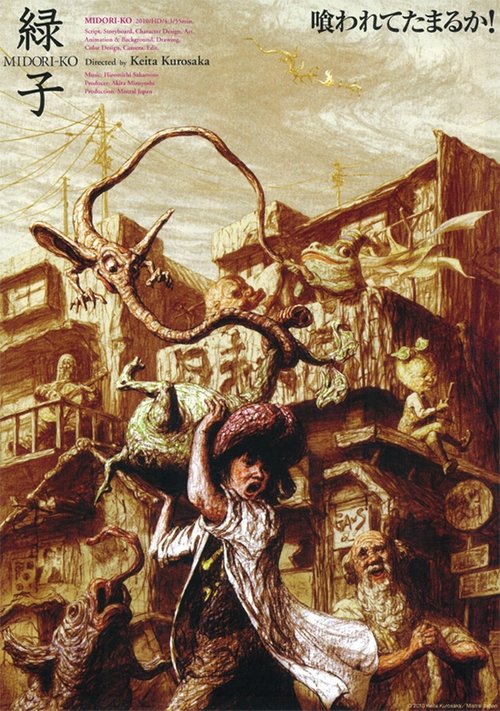
Keita Kurosaka
Runtime
55 minutes
Average Rating
No ratings yetNew Showbiz Analysis
Midori-ko offers a progressive take on the science fiction genre by placing women's ability to drive the story at the heart of a global crisis. By centering the plot on a woman's scientific efforts to combat famine, the film disrupts typical gendered hierarchies found in dystopian cinema. The setting provides a non-Western perspective, adding depth to its critique of institutional instability. However, the film lacks multi-layered breadth, with no visible representation of LGBTQ+ identities or disability, focusing primarily on a singular protagonist's struggle against a broken system.
Category Breakdown
The film does not explicitly show non-straight or non-cisgender identities or intimate relationships between people of the same gender. The main focus is on a female protagonist and her scientific work.
The story challenges the usual male leadership roles by focusing on a female protagonist. Her intelligence and significant role in driving the plot help society survive.
Set in a near-future Tokyo, the film presents a non-Western, East Asian cultural environment. This setting challenges the dominance of Western science fiction narratives.
The narrative uses a dystopian framework to criticize systemic failures and food shortages. It examines the flaws in current institutional models through a lens of societal collapse.
There is no verifiable depiction of physical or neurodivergent disabilities within the available narrative details.
Present on Screen
Limited or Absent
Official Synopsis
A woman strives to engineer a dream-food that can put a stop to the famine that has lain waste to a dystopian, near future Tokyo.
1986

2010

1987
2015
2025

2016

2022
2010
No reviews yet. Be the first to share your thoughts on this movie!
Use the rating form above to leave a star rating and optional review.