
The Sunken Convent
2016
No user ratings available yet
Representation score: 1.1 out of 10
Representation Score
Minimal
2026
Director
Everett Salter
Runtime
7 minutes
Average Rating
No ratings yetNew Showbiz Analysis
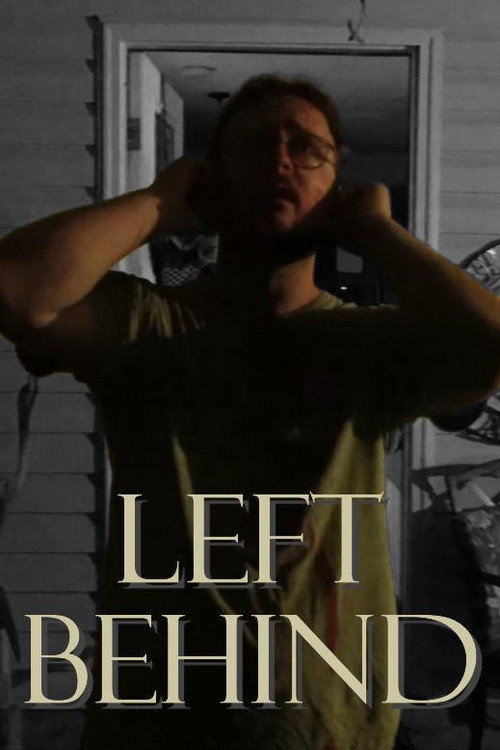
Left Behind (2026) anchors its story around a deaf protagonist, making disability the clearest and most intentional form of representation. This choice gives the film a distinct perspective and avoids relegating disability to a background detail. Beyond that, the available material offers little. No LGBTQ+ characters are identified, women’s roles are absent from the description, and racial or ethnic identities are unspecified. Cultural themes remain undefined, leaving the film’s broader social context unclear. The overall score reflects this narrow focus: strong on disability visibility, but thin elsewhere. Without additional evidence of inclusive casting or thematic depth, the film’s diversity footprint stays limited.
Category Breakdown
No LGBTQ+ characters appear in the available material. The narrative centers on a deaf man’s search for understanding, with no same-sex relationships or queer identities mentioned.
Women’s roles are not described in the current details. The story focuses on a male protagonist, leaving gender dynamics largely unaddressed.
No racial or ethnic identities are specified for the cast or characters. Without on-screen details, racial diversity cannot be confirmed.
The film’s cultural stance remains unclear. While it references a search for understanding, there is no evidence of commentary on religion, family, or Western institutions.
A deaf man is the central character, placing disability at the heart of the narrative. This suggests meaningful inclusion, though the depth of his portrayal remains unverified.
Present on Screen
Limited or Absent
Official Synopsis
A deaf man searches for understanding.
2016

2000

2008
1994

2023

2020
2019
2019
No reviews yet. Be the first to share your thoughts on this movie!
Use the rating form above to leave a star rating and optional review.