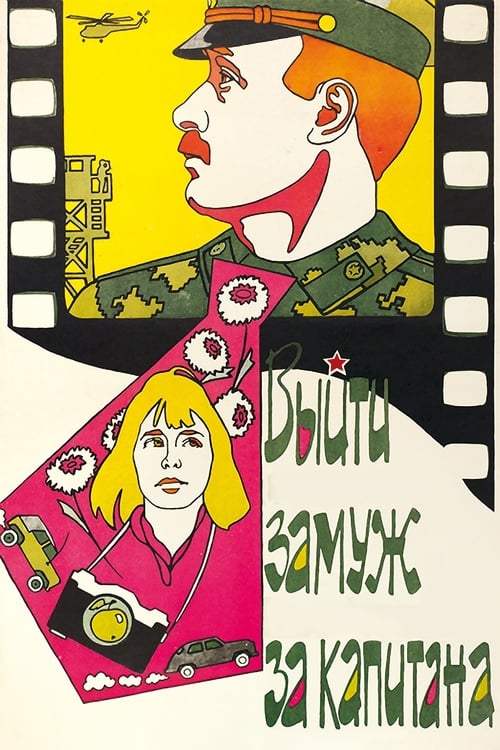
To Marry the Captain
1985
No user ratings available yet
Representation score: 2.5 out of 10

Representation Score
Limited
2011
Not RatedDirector
Levan Gabriadze
Runtime
90 minutes
Average Rating
No ratings yetNew Showbiz Analysis
Lucky Trouble operates as a traditional situational comedy centered on a man's struggle against bureaucratic interference. While the film offers a critique of local authority and systemic power, it does so through a narrow, conventional lens. The narrative relies heavily on established genre clichés, particularly regarding romantic dynamics and social roles. The protagonist's journey is driven by a desire for domestic union, which keeps the story within standard comedic frameworks. Ultimately, the film lacks depth in reflecting multiple aspects of identity and prioritizes individual ability to act and situational irony over disrupting social hierarchies or including diverse identities.
Category Breakdown
The story centers around a heterosexual relationship between Slava and Nadia. There is no representation of LGBTQ+ identities or critiques of the assumption that everyone is straight.
The film uses traditional comedic formulas where the male lead faces absurd situations. The female lead primarily motivates the protagonist rather than acting independently.
Set in Palchiki and Moscow, the film features a cast that is largely homogeneous. The narrative adheres to traditional demographic norms for its specific geographic and cultural context.
The plot critiques small-scale bureaucracy through a deputy's misuse of power. However, it remains rooted in traditional social structures rather than challenging institutional norms.
The narrative contains no evidence of characters with physical, neurodivergent, or mental health disabilities.
Present on Screen
Limited or Absent
Official Synopsis
Slava Kolotilov, a schoolteacher from the town of Palchiki, arrived in Moscow with a manuscript of his novel in hand and met Nadia. Before the wedding, Deputy Trekhgolovich, confused, mistakes Kolotilov for the coach of a children's soccer team. Trekhgolovich confiscates Kolotilov's passport and tears up his ticket to Moscow, while Kolotilov does everything he can to ensure that his hastily assembled team loses so that he can leave for his bride.
1985

2011

2016

2010

2016

2009

2010

2010
No reviews yet. Be the first to share your thoughts on this movie!
Use the rating form above to leave a star rating and optional review.