
From the Queen to the Chief Executive
2001
No user ratings available yet
Representation score: 4.3 out of 10
Representation Score
Good
2017
Director
Andrew Wong Kwok-Kuen
Runtime
100 minutes
Average Rating
No ratings yetNew Showbiz Analysis
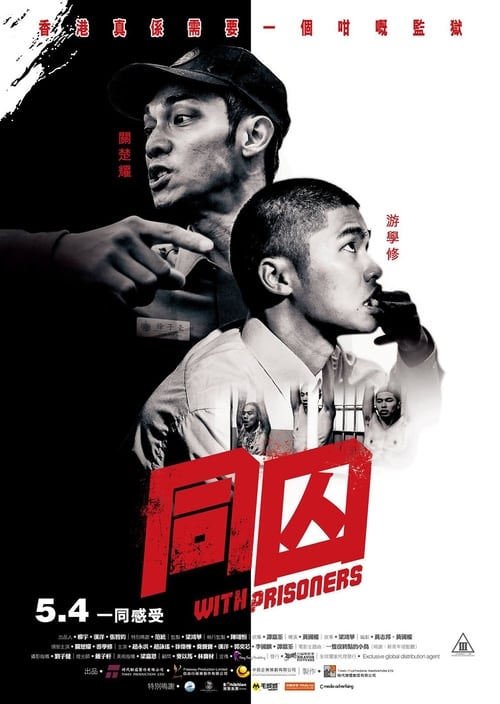
With Prisoners is a gritty social critique that focuses on the lived experiences of individuals navigating rigid state structures. It successfully deconstructs institutional authority and offers an empathetic view of those affected by systemic issues. However, the film lacks broad demographic representation, such as explicit LGBTQ+ identities, neurodivergent characters, or diverse ethnic casting, limiting its multi-layered reach. Ultimately, the film's impact stems from its systemic critique rather than its demographic variety, emphasizing the tension between the individual and the state.
Category Breakdown
The film does not prominently feature LGBTQ+ identities or non-traditional gender expressions. There is no obvious queer undertones or disruptions of straight relationships within the main character arcs.
Gender dynamics revolve around family conflicts, especially between the protagonist and his mother. While the maternal figure avoids submissive stereotypes, the narrative centers on male-driven conflict and masculine autonomy.
As a local Hong Kong production, the film features a predominantly Chinese cast. It provides an authentic urban setting but lacks diverse ethnic representation or multi-ethnic casting.
The film critiques Western-centric ideas of justice by showing a military-style detention center. It portrays the protagonist as a victim of rigid social and institutional structures rather than a moral failure.
There is no prominent focus on visible or invisible disabilities. Psychological distress is portrayed as a result of systemic pressures rather than a central identity-driven narrative element.
Present on Screen
Limited or Absent
Official Synopsis
After a bar brawl with an off-duty cop, aspiring thug Fan (Neo Yau, Fire Lee’s gonzo Robbery) is sentenced to three months in juvenile detention like Hong Kong’s Sha Tsui Detention Center, which practices military-style rehabilitation. Insults and abuse are core tenets of the treatment, carried out by the bored, jaded staff, where an occasional true believer lingers among the guards...
2001
1987
1989

1979
1983

2014
2018

2010
No reviews yet. Be the first to share your thoughts on this movie!
Use the rating form above to leave a star rating and optional review.