
Gauguin
1950
No user ratings available yet
Representation score: 4.2 out of 10
Representation Score
Limited
1946
Director
Henri Storck
Runtime
11 minutes
Average Rating
No ratings yetNew Showbiz Analysis
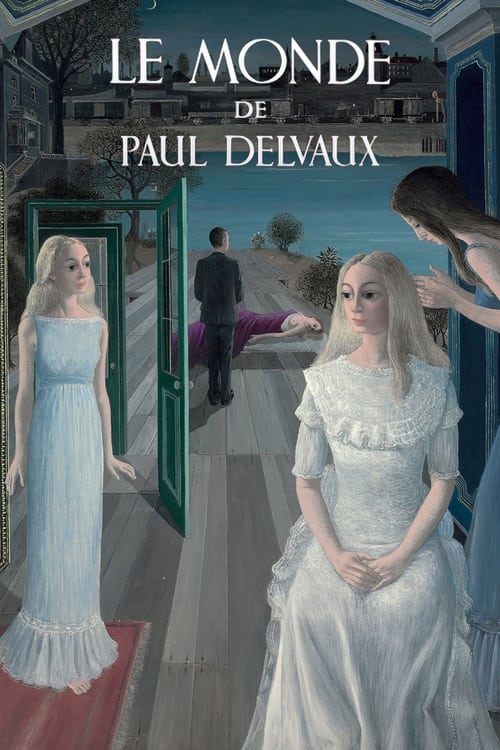
Henri Storck’s documentary serves as a historical and aesthetic record of Paul Delvaux’s surrealist world. Given its nature as a portrait of a specific male artist from 1946, the film naturally lacks the narrative mechanisms for modern systemic subversion. Limited by its era and subject matter, the film focuses on a localized European art movement. While the visual language of the paintings may offer subtle depth, the film's primary focus remains on the male creator and his specific cultural context.
Category Breakdown
The film does not explicitly depict queer identities or non-straight relationships. While Delvaux's surrealist art may hint at fluid identities, the documentary format does not provide a clear queer storyline.
The film centers on the male artist, Paul Delvaux. Women appear mainly as subjects in his paintings, presented through his artistic vision rather than as independent characters.
This 1946 European portrait focuses on a homogeneous cultural scene. The film highlights the Belgian surrealist movement without showing diverse casting or racial blending.
The documentary celebrates high art and individual expression. It maintains a traditional perspective, emphasizing the preservation of cultural heritage and the exploration of the subconscious.
There is no documented evidence regarding the portrayal of physical or neurodivergent disabilities in this film.
Present on Screen
Limited or Absent
Official Synopsis
This was Henri Storck first art documentary, a portrait about the painter, Paul Delvaux.
1950
1978
1970
1964
1999
1962
1948
1977
No reviews yet. Be the first to share your thoughts on this movie!
Use the rating form above to leave a star rating and optional review.