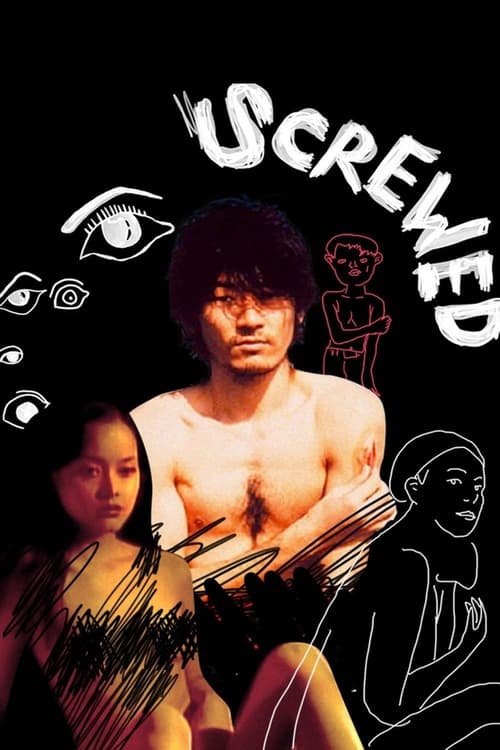
Screwed
1998
No user ratings available yet
Representation score: 4.4 out of 10
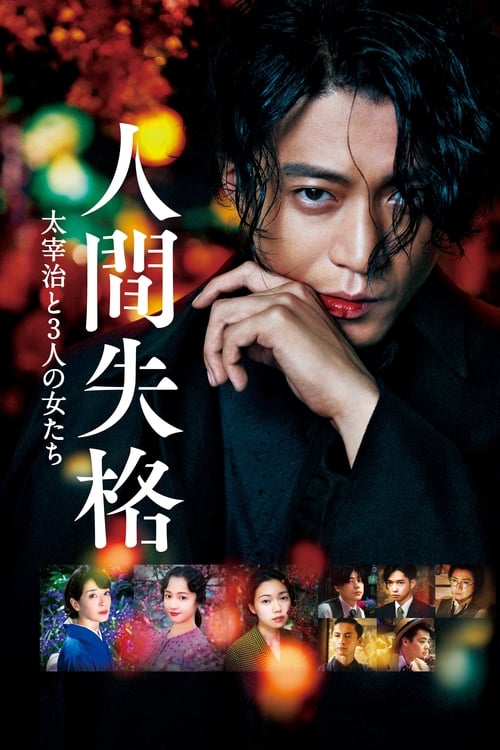
Representation Score
Good
2019
Director
Mika Ninagawa
Runtime
120 minutes
Average Rating
No ratings yetNew Showbiz Analysis
Mika Ninagawa’s film is a stylized character study that prioritizes emotional subjectivity over traditional social facades. It succeeds in providing a non-Western narrative structure by grounding itself in Japanese literary history, offering a necessary departure from Anglo-centric storytelling. The film also challenges traditional patriarchal roles through its depiction of non-monogamous romantic structures and a protagonist who fails to meet standard patriarchal expectations. This creates a narrative driven by female influence rather than male achievement. However, the film lacks explicit identifiers for LGBTQ+ identities and provides limited clarity on how neurodivergence or mental instability is portrayed. While the themes of alienation are central, the specific handling of these conditions remains unverified.
Category Breakdown
The film explores complex romantic relationships and non-traditional structures, but it doesn't clearly identify specific LGBTQ+ identities or use queer-coded subtext.
The film features three central female characters who play important roles in the narrative. It challenges traditional patriarchal roles by focusing on a protagonist driven by intense relationships with women.
This Japanese production offers a non-Western perspective on the human condition. It avoids Western norms by centering a deeply localized, Japanese literary legacy.
The narrative challenges ideals of productivity and social conformity. It critiques societal pressures by framing personal dysfunction and alienation as central to the human experience.
The film's core theme involves profound psychological alienation and mental instability. Without specific confirmation of how these struggles are handled, the representation remains moderate.
Present on Screen
Limited or Absent
Official Synopsis
The story of Osamu Dazai, one of Japan's most celebrated novelists, absorbed in alcohol and love; married and in a relationship with two other lovers.
1998
1978
1988
2005

2005
1983
2008

2018
No reviews yet. Be the first to share your thoughts on this movie!
Use the rating form above to leave a star rating and optional review.