
Taimyr Calls You
1971
No user ratings available yet
Representation score: 3.7 out of 10
Representation Score
Limited
1960
Director
Grigori Aleksandrov
Runtime
102 minutes
Average Rating
No ratings yetNew Showbiz Analysis
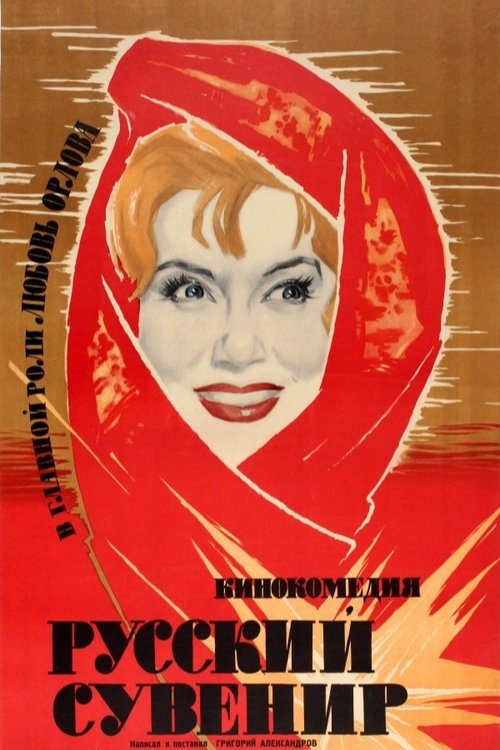
Russian Souvenir uses internationalism as its main narrative driver. By setting Chinese passengers in the Baikal region, the film highlights ethnic variety and cultural blending through shared experiences. While the film effectively showcases a multi-ethnic encounter, it remains firmly rooted in the ideological frameworks of the Soviet era. The story validates state-driven narratives of hospitality and social cohesion rather than challenging established hierarchies. Ultimately, the film presents a study in mid-century state-sponsored multiculturalism, emphasizing a harmonious, functional view of society over progressive subversion or diverse individual identities.
Category Breakdown
The film does not include any characters with non-binary gender identities or same-sex relationships. Its narrative follows traditional heterosexual structures common in 1960s musical comedies.
Varvara Komarova plays a central role, suggesting she drives key events. However, women’s roles may still be constrained by the social hierarchies and communal responsibilities of the time.
The storyline centers around interactions between Chinese passengers and Soviet citizens, creating a rich environment for a multi-ethnic cast and cross-cultural exchanges.
The film celebrates Soviet institutional stability and social order. It portrays a cohesive society through the perspective of outsiders without challenging existing cultural norms.
The film does not feature any characters with visible or invisible disabilities, resulting in no representation of disability.
Present on Screen
Limited or Absent
Official Synopsis
The end of the 1950s. The Chinese passenger plane, following the Beijing-Moscow flight, enters a thunderstorm and makes an emergency landing in the Baikal region. In addition to the Soviet citizen Varvara Komarova, all other passengers are foreigners. Using a stop, they explore new cities and get acquainted with the life, work and rest of Soviet people.
1971
1977

1954

1965

2011

1966

1961
1970
No reviews yet. Be the first to share your thoughts on this movie!
Use the rating form above to leave a star rating and optional review.