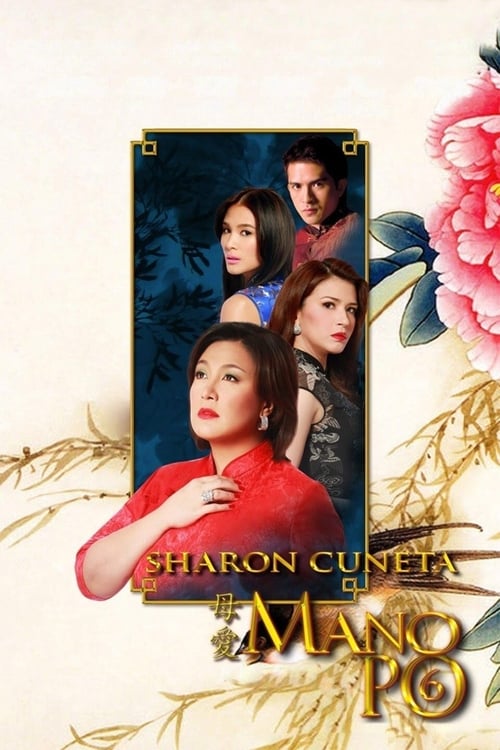
Mano Po 6: A Mother's Love
2009
No user ratings available yet
Representation score: 5.0 out of 10
Representation Score
Fair
2002
Director
Joel Lamangan
Runtime
110 minutes
Average Rating
No ratings yetNew Showbiz Analysis
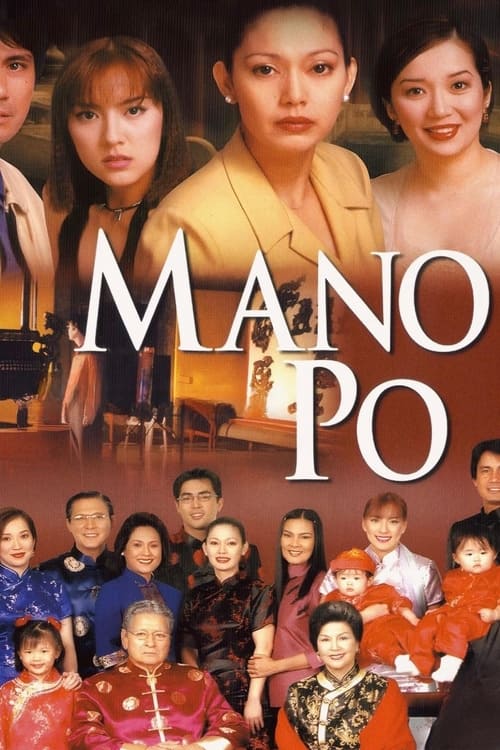
Mano Po provides a rich, non-Anglo-centric perspective by focusing on the unique cultural elements of the Chinese-Filipino diaspora. It successfully moves beyond monolithic national identities to explore a multifaceted, integrated minority experience. The film's strength lies in its challenge of traditional Asian patriarchal structures. By placing a powerful female leader at the center, the story highlights women's significant role in managing authority and family honor. However, the narrative remains focused on traditional domestic themes and straight-centered family structures, resulting in a lack of representation for LGBTQ+ identities.
Category Breakdown
The story centers on traditional family structures and emphasizes the continuation of lineage. There are no clear representations of LGBTQ+ characters or narratives that question traditional norms.
The film challenges traditional gender roles by emphasizing the role of women. A strong female leader drives the emotional core of the story and manages the family's reputation.
The film showcases a blend of Chinese, Filipino, and Hispanic cultures, presenting a complex, integrated Chinese-Filipino identity.
The narrative examines how migration influences social realities through a diaspora perspective. It questions the idealized family unit by focusing on a more realistic, dysfunctional third generation.
There is no significant representation of visible or invisible disabilities within the narrative.
Present on Screen
Limited or Absent
Official Synopsis
During the Chinese Revolution in 1949, young Chinese copra trader named Fong-Huan marries Elisa, a young and pretty Filipina. The couples children, Daniel and Linda, were raised in a mixture of Chinese and Filipino-Hispanic tradition. These richly cultured people are the ancestors of a dysfunctional third-generation family whose daughters tell their own stories of joy, struggle, and the complex realities in the life of Filipino Chinese families.
2009
1985
2000
2013
1994
1991

2016

2004
No reviews yet. Be the first to share your thoughts on this movie!
Use the rating form above to leave a star rating and optional review.