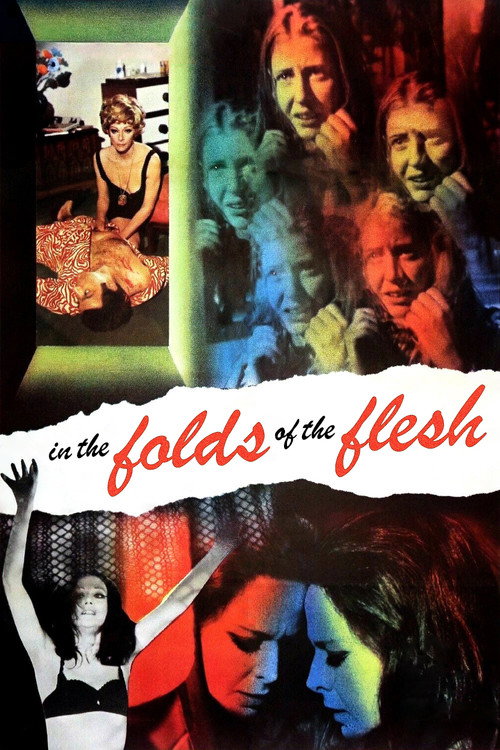
In the Folds of the Flesh
1970
No user ratings available yet
Representation score: 3.3 out of 10
Representation Score
Good
1972
RDirector
Eloy de la Iglesia
Runtime
98 minutes
Average Rating
No ratings yetNew Showbiz Analysis
The film serves as a radical disruption of the Francoist era's cinematic norms. By using the horror genre, it explores repressed identities and the collapse of traditional social structures. Its strength lies in its sophisticated deconstruction of the assumptions that everyone is straight or cisgender and the traditional norms of institutions. The narrative prioritizes subjective psychological truth over state-sanctioned morality, making it a significant historical work that challenges common expectations. However, the film remains limited by the demographic homogeneity of its era. While it excels in critiquing queer and cultural norms, it lacks racial diversity and occasionally relies on established clichés regarding mental health and neurodivergence.
Category Breakdown
The film highlights a homoerotic and obsessive relationship between two men, challenging the assumption that everyone is straight or cisgender. This relationship is central to the psychological development of the characters.
Masculinity is portrayed through psychological instability rather than traditional strength. The film breaks down the typical image of a stable leader or provider by showing manhood as a fragmented concept.
The cast is predominantly white and urban. This reflects the demographic homogeneity of 1972 Spain, though the film lacks significant ethnic or racial breadth by modern standards.
The story critiques traditional Western and institutional stability using moral relativism. It frames the protagonist's decline as a reaction to social repression and the breakdown of the family unit.
The plot revolves around the protagonist's profound neurodivergence and psychological issues. While the portrayal is nuanced, it leans heavily on the common 'madness' clichés found in psychological thrillers of the time.
Present on Screen
Limited or Absent
Official Synopsis
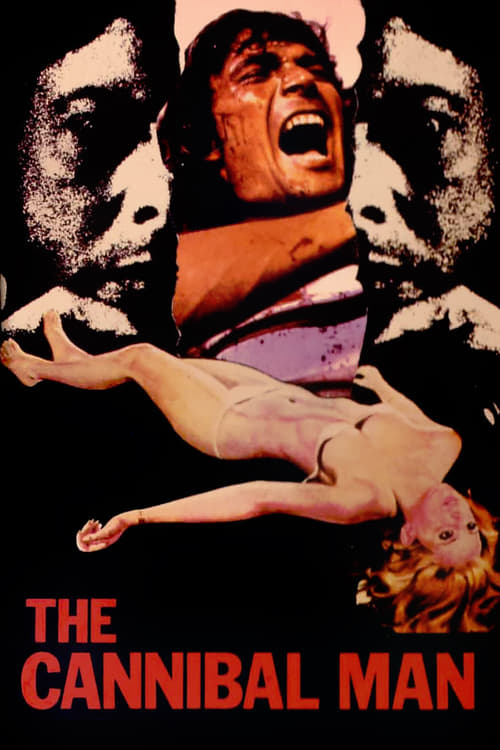
A young man, Marco, working as a butcher, accidentally kills a taxi driver. His girlfriend Paula wants to go to the police so he has to kill her too. He then has to kill his brother, his brother’s fiancée and his father, who have become suspicious. He gets rid of the bodies by taking them to a slaughter house.
1970

2010

1975
1987

1977
1997

2000

1983
No reviews yet. Be the first to share your thoughts on this movie!
Use the rating form above to leave a star rating and optional review.