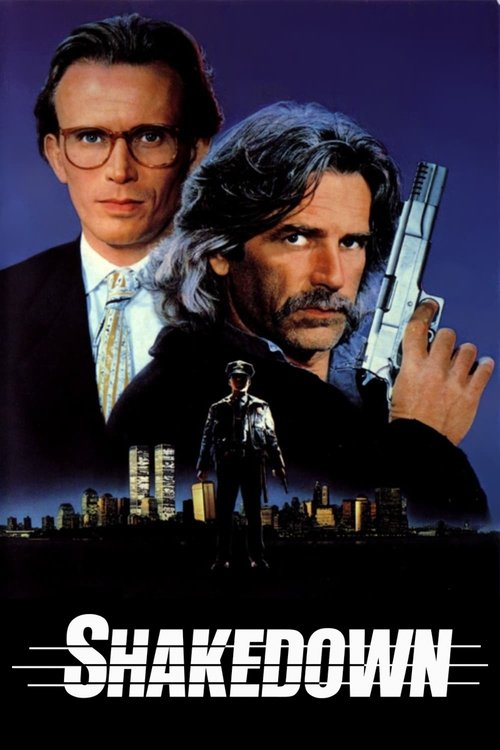
Shakedown
1988
No user ratings available yet
Representation score: 0.6 out of 10

Representation Score
Fair
1988
TV-MADirector
Yuen Woo-ping
Runtime
92 minutes
Average Rating
No ratings yetNew Showbiz Analysis
Tiger Cage is a genre-specific action piece that prioritizes kinetic choreography and traditional arcs of justice. The film functions as a standard representation of late-80s Hong Kong cinema, focusing on masculine archetypes and physical ability to act. While the film offers a culturally specific look at Hong Kong's urban landscape, it lacks intentionality regarding multi-layered identity. The narrative structure relies on established clichés of brotherhood and institutional reform through individual merit. Ultimately, the film does not seek to deconstruct social hierarchies. It remains a localized, male-centric thriller that emphasizes physical combat over complex social or identity-based character studies.
Category Breakdown
The film operates within a conventional framework that assumes everyone is straight or cisgender. There are no LGBTQ+ characters or explorations of queer intimacy.
Narrative ability to act is concentrated within a male ensemble. Female characters are relegated to secondary or supportive roles that do not challenge established gender dynamics.
The cast is predominantly Chinese, reflecting the localized industry standards of 1988 Hong Kong. It provides a culturally specific representation of the urban landscape.
The story critiques systemic corruption through the lens of individual heroism. It prioritizes the 'honest cop' cliché rather than radical anti-establishment ideologies.
There is no significant focus on visible or invisible disabilities. Characters are defined by physical prowess rather than neurodivergence or chronic illness.
Present on Screen
Limited or Absent
Official Synopsis
Something fishy is going on in the anti-Drug Trafficking Unit of the HK Police, and only a few honest cops know that the corruption goes all the way to the top. However, they must prove their case quickly, and by unconventional means, after they are framed for murder and drug-trafficking themselves. Dodging bullets from cops and criminals alike, the race is on to clear their names, protect their loved ones, and bring their corrupt colleagues to justice.
1988
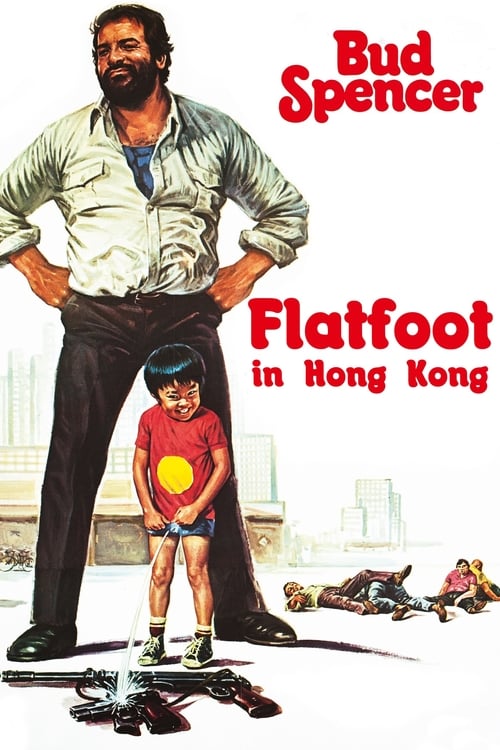
1975

1990

2019
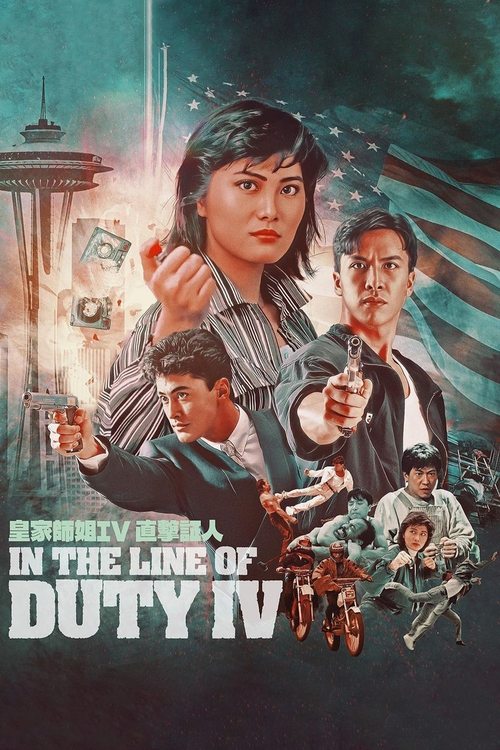
1989

2019
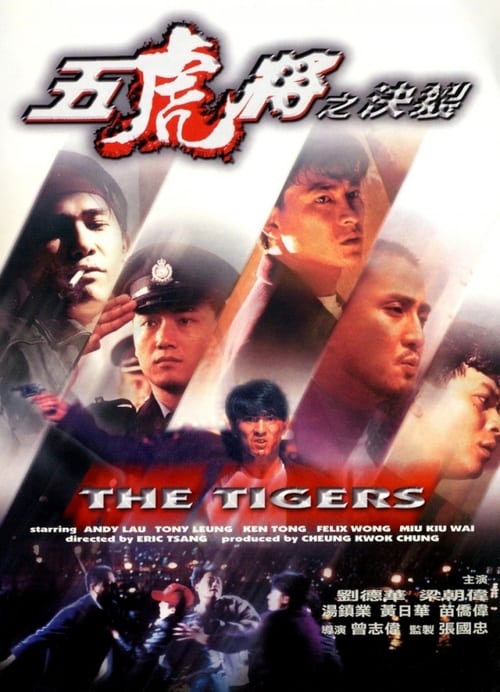
1991

2001
No reviews yet. Be the first to share your thoughts on this movie!
Use the rating form above to leave a star rating and optional review.