
The Unborn
1991
No user ratings available yet
Representation score: 2.4 out of 10

Representation Score
Minimal
1976
PGDirector
Ralph Nelson
Runtime
104 minutes
Average Rating
No ratings yetNew Showbiz Analysis
Embryo is a traditional 1970s science fiction horror film that emphasizes its central biological premise over social commentary. The narrative structure adheres to the established norms of the time, focusing on scientific ethics and individual hubris. The film does not challenge or deconstruct existing social, racial, or gender hierarchies. Instead, it reflects the conservative social structures of the mid-1970s, presenting a world where professional expertise and ability to act are largely reserved for a homogeneous group of men. Ultimately, the production lacks the intentionality needed to disrupt conventional expectations. It functions as a typical genre piece rather than a work designed to engage with identity-based storytelling or systemic critique.
Category Breakdown
The film follows a conventional storyline that assumes everyone is straight and cisgender. There is no indication of queer subtext or diverse gender identities.
The story focuses on a male-dominated scientific community. Professional roles are centered around male researchers, which limits the roles of women in the story.
The cast is predominantly white, reflecting the demographics of the 1970s. There is no evidence of intentional racial diversity or non-white leads.
The film uses the classic mad scientist cliché to explore individual pride and hubris. It does not explicitly critique Western institutions, capitalism, or religious structures.
No characters with visible or invisible disabilities are included in the story. The biological anomaly serves as a plot device without exploring disability.
Present on Screen
Limited or Absent
Official Synopsis
A scientist doing experiments on a human fetus discovers a method to accelerate the fetus into a mature adult in just a few days.
1991
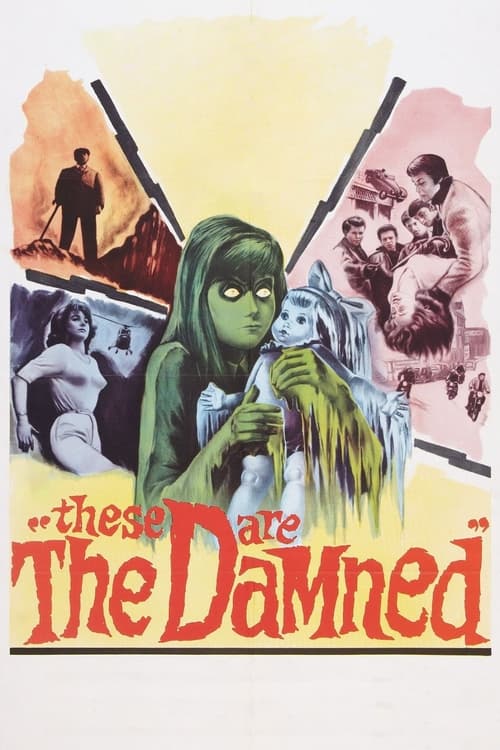
1962

1987
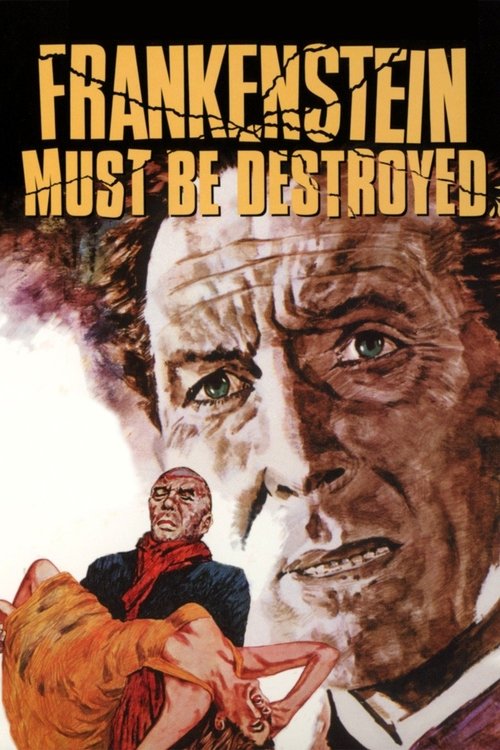
1969

1987

1958
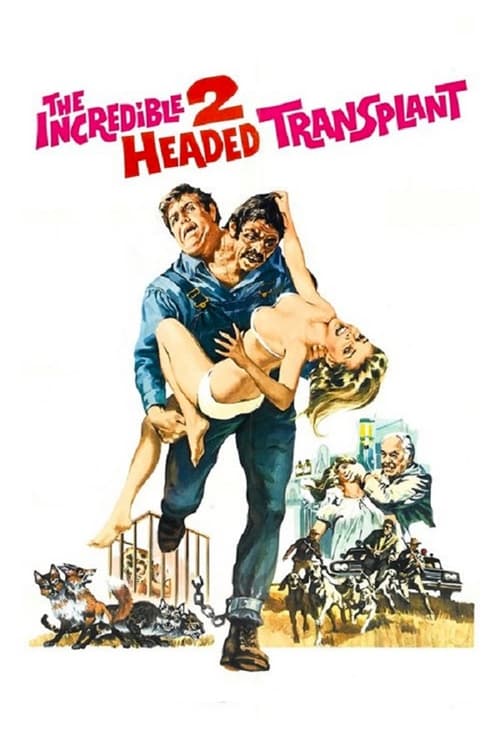
1971
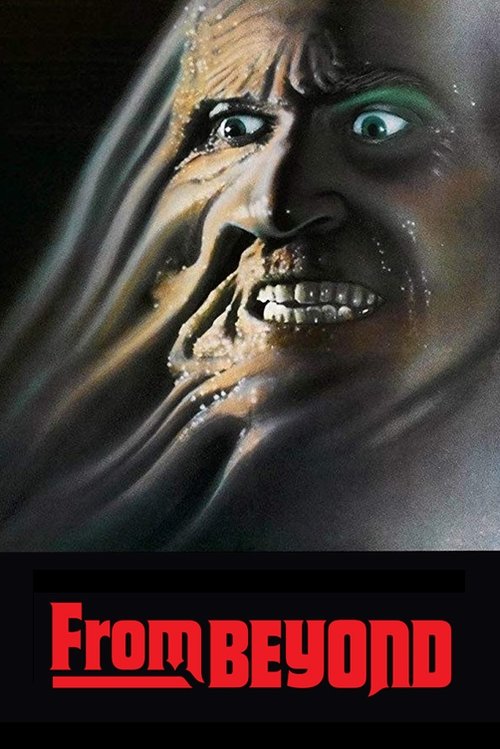
1986
No reviews yet. Be the first to share your thoughts on this movie!
Use the rating form above to leave a star rating and optional review.