Two Tails
2018
No user ratings available yet
Representation score: 4.0 out of 10
Representation Score
Fair
1989
TV-YDirector
Marija Miletic Dail
Runtime
30 minutes
Average Rating
No ratings yetNew Showbiz Analysis
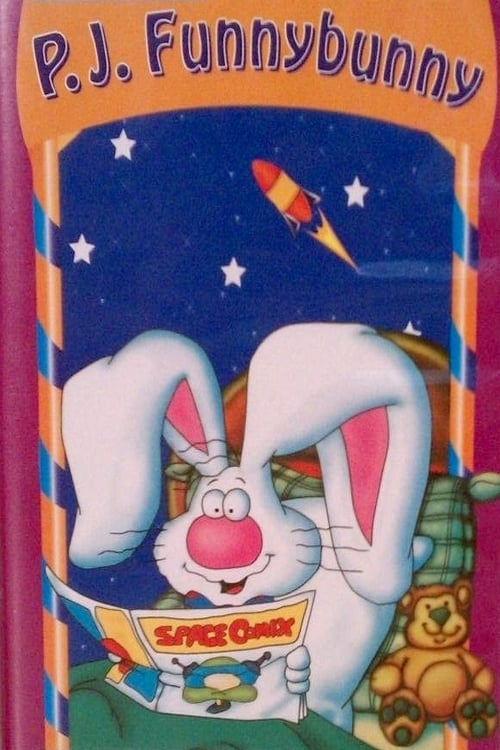
P.J. Funnybunny is a typical animated film that follows well-known story types. While it slightly challenges some social norms through its main character's rejection of family traditions, it doesn't explore deeper layers of diversity. The story relies on traditional villain types, like the Weasel Brothers, which limits its exploration of social power dynamics. Overall, the film sticks to a traditional format without pushing boundaries.
Category Breakdown
The film doesn't show any same-sex relationships or characters who don't identify with the gender they were assigned at birth. There are no hints that any characters might be LGBTQ+.
The story focuses on P.J. and a group of friends dealing with social conflicts. The film doesn't highlight any strong roles for women or challenge the usual male leadership roles.
The story uses animal characters and aliens, which might hide or enhance diversity. However, there are no clear signs of a mostly non-white cast.
The movie gently criticizes traditional family gatherings by showing a family reunion as something to avoid. It emphasizes personal goals over community traditions.
The film doesn't mention any characters with visible or hidden disabilities. It also doesn't discuss mental health issues or neurodiversity.
Present on Screen
Limited or Absent
Official Synopsis
P.J. escaping a boring family reunion to become famous by contacting alien beings with his friends. However, with the villainous Weasel Brothers looking to cause trouble, P.J. and company have to get creative to battle the wicked bullies.
2018
2024
1988

2005
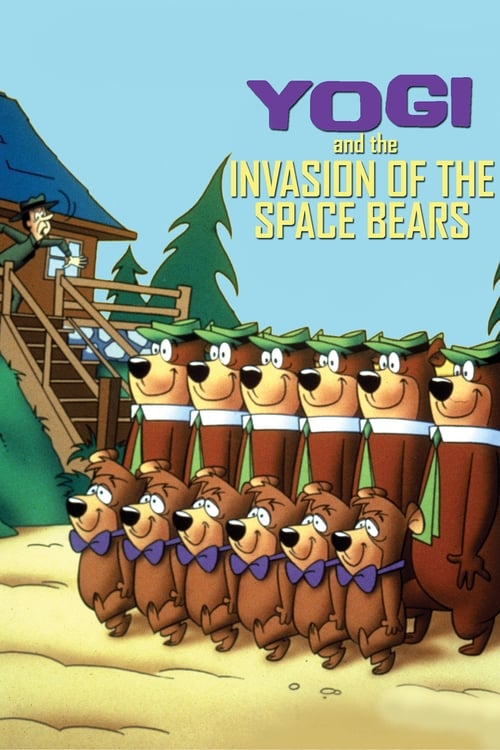
1988
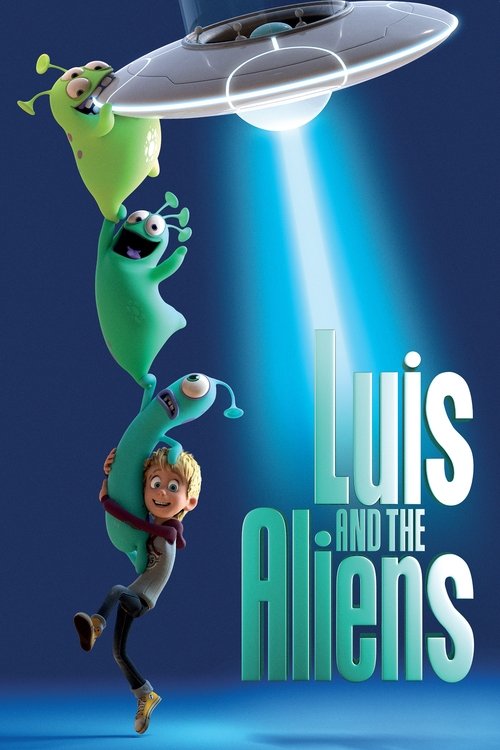
2018
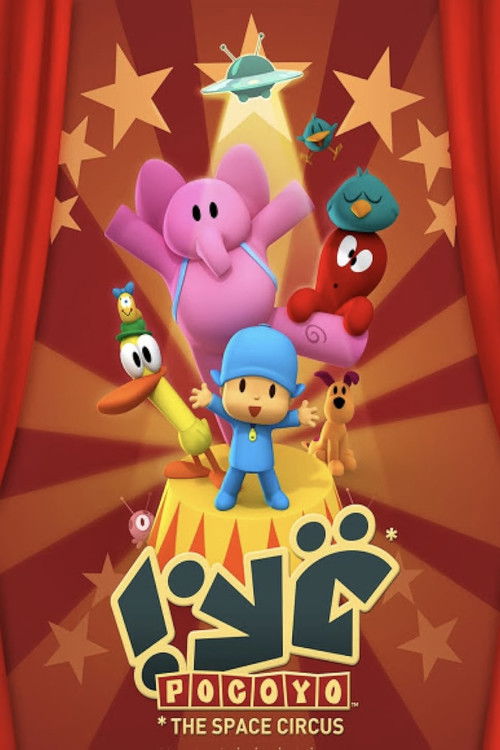
2008
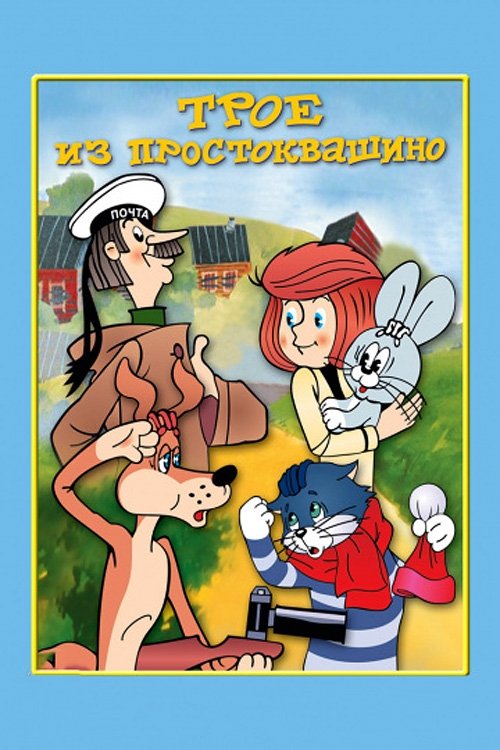
1978
No reviews yet. Be the first to share your thoughts on this movie!
Use the rating form above to leave a star rating and optional review.