Staying Alive
2015
No user ratings available yet
Representation score: 7.1 out of 10
Representation Score
Fair
2013
Director
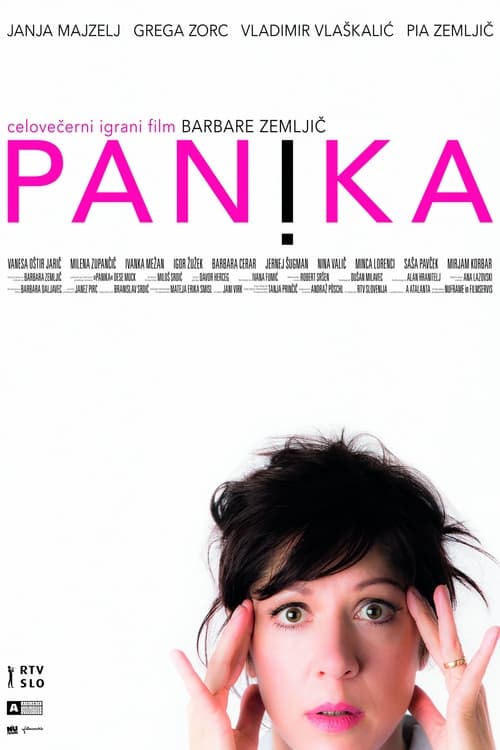
Barbara Zemljič
Runtime
100 minutes
Average Rating
No ratings yetNew Showbiz Analysis
Panic is a character-driven comedy that finds its strength in subverting traditional gender roles. By focusing on a woman's pursuit of personal autonomy at the expense of her domestic and professional stability, the film rejects the traditional archetype of the nurturing wife. However, the film lacks depth in terms of diverse identities. The narrative remains largely confined to a homogeneous Slovenian demographic, offering little in the way of racial, ethnic, or LGBTQ+ representation. This creates a narrow cultural lens that limits the film's broader social reach. Ultimately, while the film succeeds as a critique of traditional institutions, its lack of diverse identities prevents a higher diversity rating.
Category Breakdown
The story focuses on an extramarital affair, following traditional patterns that assume everyone is straight. There are no visible signs of LGBTQ+ identities or non-traditional gender expressions.
The film challenges traditional feminine roles by centering a woman who breaks free from her marriage and career for personal autonomy. This subverts the typical expectation of women as stabilizers in society.
As a Slovenian production, the cast reflects the local demographics. The film operates within a culturally homogeneous framework with limited racial or ethnic diversity.
The story prioritizes subjective morality and existentialism over traditional religious or social ethics. It deconstructs the nuclear family and professional hierarchies as restrictive institutions.
There is no discernible evidence regarding the inclusion of characters with visible or invisible disabilities in the provided narrative.
Present on Screen
Limited or Absent
Official Synopsis
A woman in her thirties who wanted more of life jumps into an extramarital affair, only to lose her husband, her job, and finally her lover as well. However, she thinks she should start anew and have fun no matter the consequences.
2015

2012
2020

2018

2017
2018

2005
2018
No reviews yet. Be the first to share your thoughts on this movie!
Use the rating form above to leave a star rating and optional review.