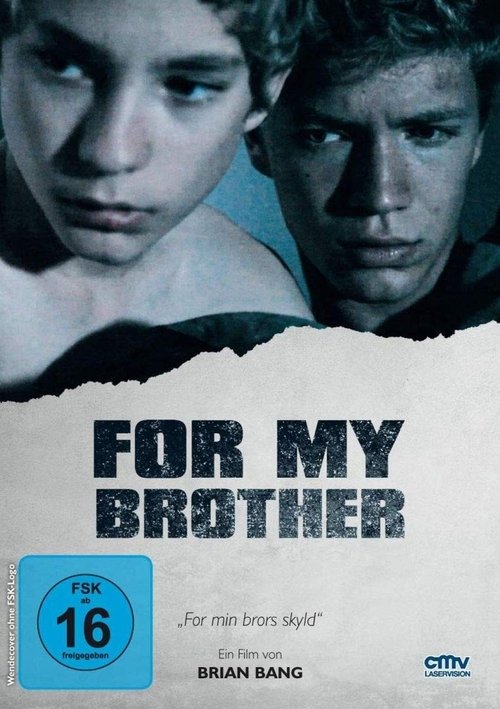
For My Brother
2014
No user ratings available yet
Diversity score: 5.4 out of 10

2015
Director
Mees Peijnenburg
Runtime
45 minutes
Average Rating
No ratings yetSynopsis
Abandoned by their parents, two teenage siblings navigate life in youth care.
Overall Score
Fair
Category Breakdown
LGBTQ+ Representation
The film lacks explicit confirmation of queer identities or romantic arcs. However, the youth care setting provides a narrative space where non-heteronormative dynamics often emerge.
Gender Representation
By focusing on siblings navigating life without parental guidance, the story disrupts traditional patriarchal or matriarchal leadership. This shifts agency directly to the young protagonists.
Racial & Ethnic Diversity
There is insufficient evidence to determine the racial composition of the cast. The score reflects a baseline typical of European television drama, which often leans toward homogeneity.
Religious & Cultural Diversity
The narrative critiques the stability of the Western nuclear family by centering on abandoned youth. It frames the protagonists as individuals navigating systemic failures rather than social hierarchies.
Disability Representation
While no specific physical disabilities are cited, the stressors of the youth care system offer a lens for exploring mental health and the trauma of abandonment.
Strengths
Areas for Improvement
AI Analysis
We Will Never Be Royals is a character-driven study of systemic displacement. By focusing on siblings within the youth care system, the film moves away from idealized depictions of childhood and domestic stability. The narrative architecture prioritizes the lived experiences of marginalized youth. This focus allows for a sociologically grounded exploration of agency and survival outside of traditional family structures. While the film offers strong thematic critiques of institutional efficacy, specific demographic data regarding race and sexual orientation remains unconfirmed.
2014
2023

1997

2020
No reviews yet. Be the first to share your thoughts on this movie!
Use the rating form above to leave a star rating and optional review.