
I Used to Be Darker
2013
No user ratings available yet
Diversity score: 4.3 out of 10
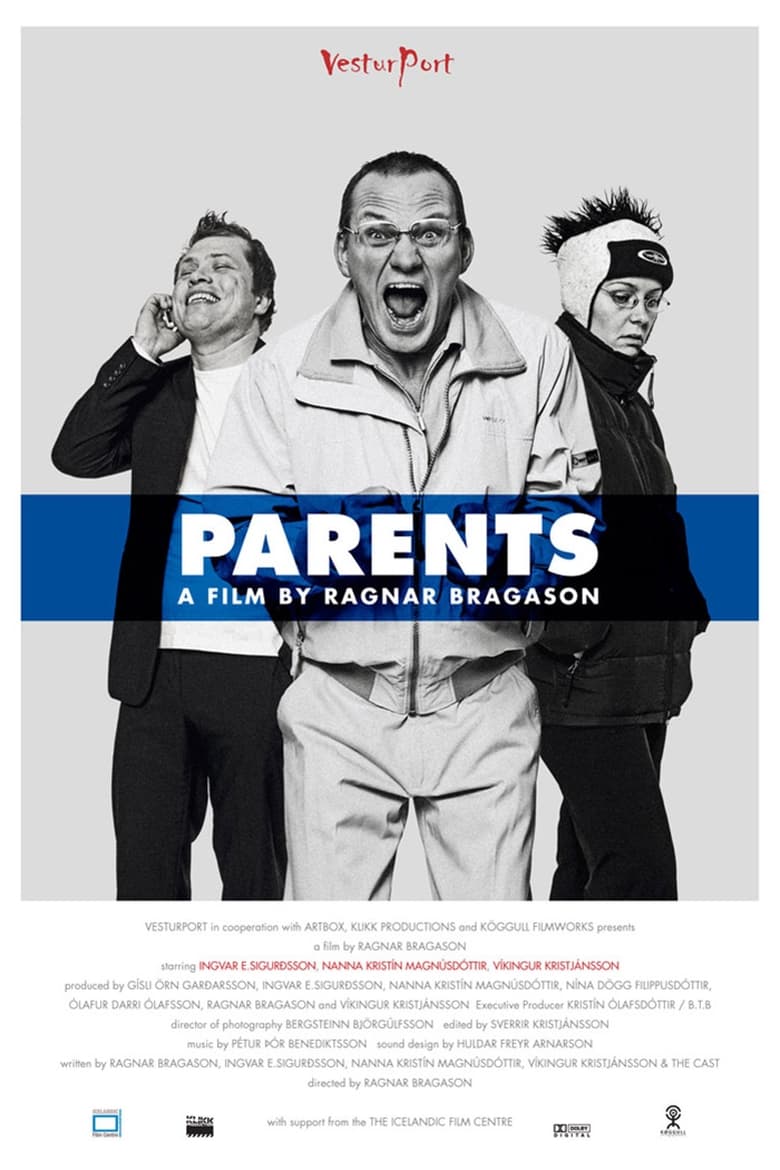
2007
Director
Ragnar Bragason
Runtime
87 minutes
Average Rating
No ratings yetSynopsis
The dentist Oscar has been married for five years and lives with his wife and adopted children. On the surface everything seems to be fine but Oscar is not a happy man. His wants a baby of his own flesh and blood but it's not working out. When he finds out that his wife has been deceiving him all these years he decides it's time for a change. Einar is a stockbroker who is very successful at work but not in his personal life. For the last couple of months Einar has been living at a hotel waiting for his wife to realize the terrible mistake she made by throwing him out. Katrin Rose returns from Sweden where she has lived for eight years. In Iceland Katrin has an eleven-year-old son, brought up by his grandmother and now Katrin wants him back. Katrin gets a job as a dentist's assistant intending to make a fresh start but her troubled past catches up with her.
Overall Score
Fair
Category Breakdown
LGBTQ+ Representation
The film lacks explicit queer themes or non-cisnormative narratives. It focuses instead on the complexities of traditional partnership dynamics and interpersonal deception.
Gender Representation
Female characters like Katrin demonstrate agency by reclaiming autonomy. Male protagonists are portrayed with vulnerability, challenging the trope of the competent, stoic patriarch.
Racial & Ethnic Diversity
The cast remains relatively homogeneous within its Icelandic setting. There is no significant evidence of racial or ethnic blending within the narrative.
Religious & Cultural Diversity
The story critiques Western institutional stability by portraying the ideal family as a site of deception. It offers a skeptical view of established societal norms.
Disability Representation
There is no prominent depiction of visible or invisible disabilities. The drama focuses on psychological and interpersonal struggles rather than disability advocacy.
Strengths
Areas for Improvement
AI Analysis
Parents functions as a deconstruction of the nuclear family and traditional Western social contracts. It avoids idealized domestic archetypes, opting for a cynical look at human agency and systemic failure. The film earns moderate marks by subverting gendered competence and refusing to uphold the sanctity of traditional domesticity. However, it lacks intersectional depth regarding race and LGBTQ+ identities. Ultimately, the narrative prioritizes psychological realism over a diverse or inclusive social landscape, focusing heavily on the breakdown of established interpersonal bonds.
2013
2007

2012

2009

2017
2001
1999
2000
2000
2007
2019

2009
No reviews yet. Be the first to share your thoughts on this movie!
Use the rating form above to leave a star rating and optional review.