
Mysterious Object at Noon
2000
No user ratings available yet
Representation score: 8.3 out of 10

Representation Score
Good
2009
Director
Apichatpong Weerasethakul
Runtime
2 minutes
Average Rating
No ratings yetNew Showbiz Analysis
Apichatpong Weerasethakul’s *Haiku* succeeds by making underrepresented identities and non-Western spiritualities integral to its story rather than subjects of debate. The film avoids common cinematic clichés, such as the 'outsider struggling' in queer stories or the 'Western perspective' in Southeast Asian settings. By using a non-linear, contemplative structure, the film breaks down traditional social norms and pacing. It provides a nuanced look at identity that feels naturally woven into the film's quiet, reflective atmosphere. While the film excels in cultural authenticity and normalized queer relationships, it doesn’t include any significant representation of physical or neurological disabilities.
Category Breakdown
The film focuses on the everyday lives of two male characters, showing their same-sex relationship as a normal, established part of their world rather than a struggle.
It challenges traditional gender roles by highlighting the emotional connections between characters instead of relying on typical masculine protector or provider roles.
This Thai-focused production features a primarily Thai cast and setting, presenting a culturally specific reality without trying to fit Western standards.
The film emphasizes personal spiritual experiences and memories over formal religious practices, focusing on individual, situational beliefs.
There are no significant portrayals of physical or neurological disabilities that play central roles in the story.
Present on Screen
Limited or Absent
Official Synopsis
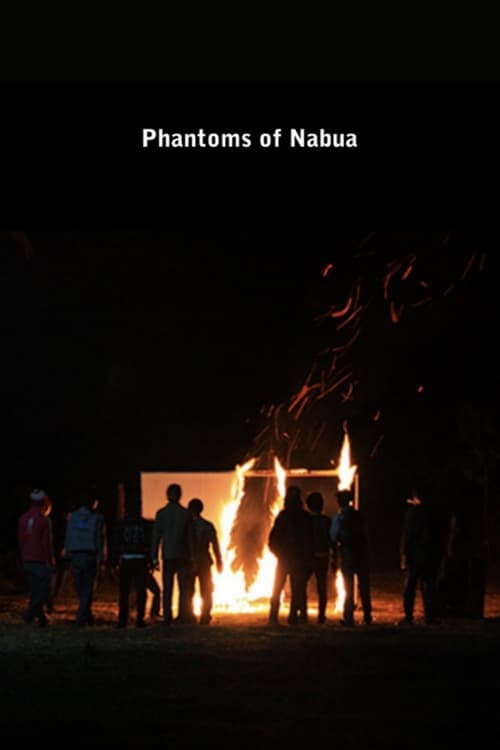
In this video diary, Weerasethakul documents the set of Primitive Project in Nabua, Thailand, particularly the scene when teenagers are hypnotized and sleep inside a time machine.
2000

2015
2012
2004
2011
1999
2012
2009
No reviews yet. Be the first to share your thoughts on this movie!
Use the rating form above to leave a star rating and optional review.