The Julius House: An Aurora Teagarden Mystery
2016
No user ratings available yet
Representation score: 3.1 out of 10
Representation Score
Fair
2017
TV-GDirector
Douglas Barr
Runtime
84 minutes
Average Rating
No ratings yetNew Showbiz Analysis
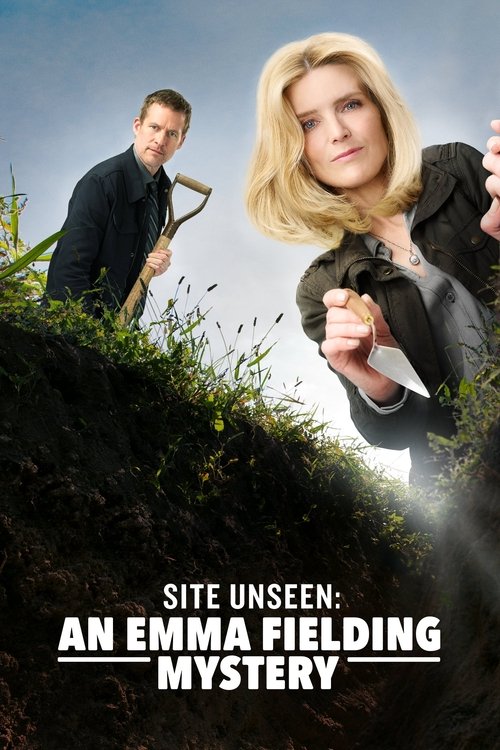
Site Unseen: An Emma Fielding Mystery operates as a conventional genre procedural. Its strength lies in its portrayal of a brilliant female protagonist who leads both historical and criminal investigations. This places a woman in a position of academic and professional authority, disrupting traditional gender hierarchies. However, the film lacks multi-layered complexity. The narrative follows established investigative clichés rather than actively challenging broader social or cultural hierarchies. The focus remains on the mystery itself rather than a deeper exploration of identity. While the historical setting offers potential for discussing colonial dynamics, the film does not explicitly engage with diverse demographics or queer identities. It functions more as a traditional television mystery than a progressive social critique.
Category Breakdown
The film does not feature any explicit LGBTQ+ characters or narratives centered around non-assuming gender matches what was assigned at birth identities. The storyline revolves around archaeological discoveries and criminal investigations.
Emma Fielding is portrayed as a brilliant, driven female protagonist in the male-dominated field of archaeology. Her role as the intellectual leader of the plot challenges traditional gender hierarchies.
The setting includes complex colonial dynamics, but the narrative focuses more on academic pursuits than on diverse demographics. There is little indication of efforts to subvert Anglo-Saxon casting norms.
The plot examines a pre-Jamestown settlement, suggesting an interest in reinterpreting early American history. However, the tone adheres to traditional moral and social structures.
The film does not mention any characters with visible or invisible disabilities. There are no instances of neurodivergence or physical disabilities noted in the character descriptions.
Present on Screen
Limited or Absent
Official Synopsis
Brilliant, dedicated, and driven, archaeologist Emma Fielding is trying to unearth evidence of a 17th century coastal Maine settlement that predates Jamestown, one of the most significant archaeological finds in years. But the dead body that accompanies it has embroiled Emma and her students in a different kind of exploration.
2016

2015

2017

2016

2018

2017
2018

2017
No reviews yet. Be the first to share your thoughts on this movie!
Use the rating form above to leave a star rating and optional review.