For My Father
2008
No user ratings available yet
Representation score: 3.2 out of 10
Representation Score
Limited
2009
Director
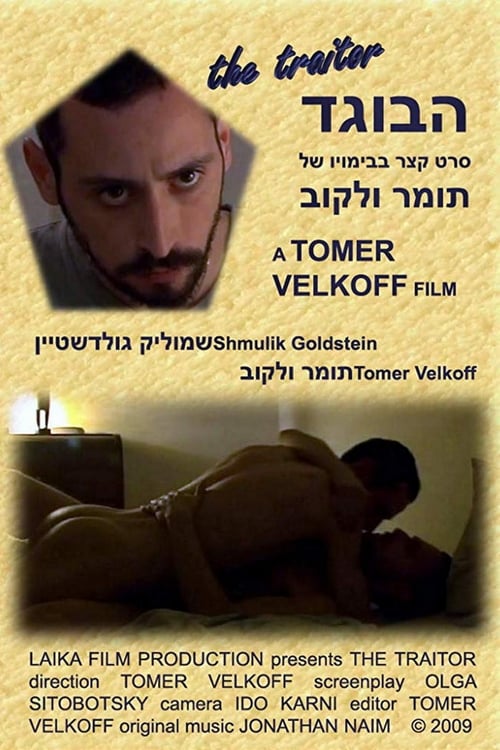
Tomer Velkoff
Runtime
14 minutes
Average Rating
No ratings yetNew Showbiz Analysis
The Traitor is a localized study of interpersonal volatility and romantic deconstruction. It avoids broad systemic themes, focusing instead on the micro-dynamics of a single relationship's dissolution. The film's strength lies in its potential queer subtext and its subversion of traditional domestic clichés. By centering on the instability of social bonds, it moves away from conventional relational clichés. However, the film lacks the scale to address broader social hierarchies. Without explicit details on race, disability, or specific gender identities, the narrative remains a narrow, character-driven drama.
Category Breakdown
The film features a couple, Tomer and Shmulik, whose pairing hints at a departure from traditional heterosexual relationships. However, the lack of explicit confirmation about their sexual orientation keeps the representation moderate.
The narrative focuses on the breakdown of a partnership and the resulting emotional pain. This approach prioritizes individual autonomy and the disruption of traditional, stable domestic roles.
There is no discernible information regarding the racial or ethnic composition of the cast. Consequently, no conclusions can be drawn about the film's approach to racial diversity.
The story centers on the deconstruction of a primary social unit through a domestic ritual. It prioritizes individual emotional truth over established social or familial stability.
The available documentation provides no evidence regarding the inclusion of characters with visible or invisible disabilities.
Present on Screen
Limited or Absent
Official Synopsis
Tomer and Shmulik are a couple. One evening, during a causal supper, one of them announces he wants to break up. Pain takes over their intimacy and the night takes an unexpected turn.
2008
1974

2018
2009

2010
2007
2013
2006
No reviews yet. Be the first to share your thoughts on this movie!
Use the rating form above to leave a star rating and optional review.