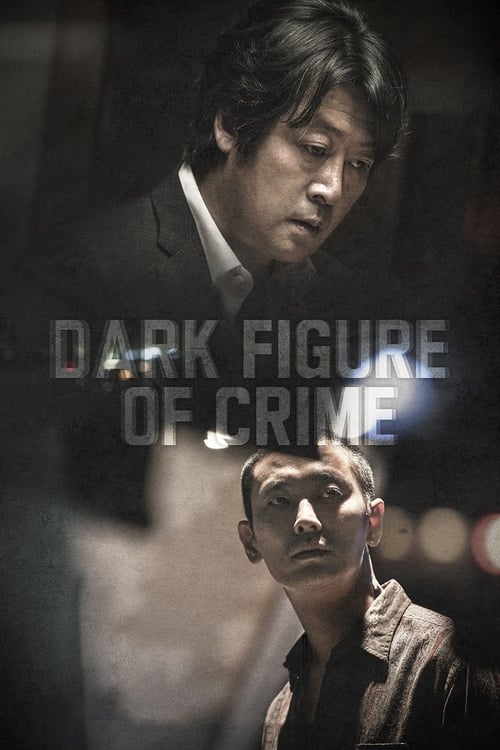
Dark Figure of Crime
2018
No user ratings available yet
Representation score: 3.2 out of 10

Representation Score
Fair
2017
Not RatedDirector
Kim Bong-han
Runtime
121 minutes
Average Rating
No ratings yetNew Showbiz Analysis
Ordinary Person is a conventional crime-action drama centered around psychological suspense and personal morality. The film follows established genre clichés, focusing on the power struggle between a detective and a suspected serial killer. The narrative is heavily male-centric, emphasizing the interactions between the main characters. Although it touches on systemic issues like police corruption, it does not use these themes to challenge social hierarchies or explore multiple aspects of identity. Overall, the film remains a localized thriller, maintaining a culturally homogeneous environment and relying on traditional character types without diverse or subversive representation.
Category Breakdown
The film centers on male protagonists and does not include non-straight or non-cisgender identities. It does not challenge assumptions about heterosexual relationships.
The story is driven by conflicts between male characters. Female characters play minor roles and do not significantly challenge patriarchal structures.
The cast primarily reflects South Korean culture, without much engagement with diverse ethnicities. The film does not blend different cultural backgrounds.
The storyline delves into systemic corruption and societal norms. It adheres to typical crime-thriller conventions without questioning traditional values deeply.
The film introduces sudden deafness as a plot point. However, it is unclear whether this element adds depth to the character or simply serves as a tension device.
Present on Screen
Limited or Absent
Official Synopsis
Major crimes unit detective Seong-jin arrests Tae-sung for petty crimes, but shocked to find out that he is the notorious serial killer. However, Seong-jin becomes doubtful of his identity as the serial murder case is investigated.
2018

2017
2002
2018

2007
2017

2017

2017
No reviews yet. Be the first to share your thoughts on this movie!
Use the rating form above to leave a star rating and optional review.