Rhino Full Throttle
2013
No user ratings available yet
Diversity score: 5.2 out of 10
1996
RDirector
Bill Plympton
Runtime
5 minutes
Average Rating
No ratings yetSynopsis
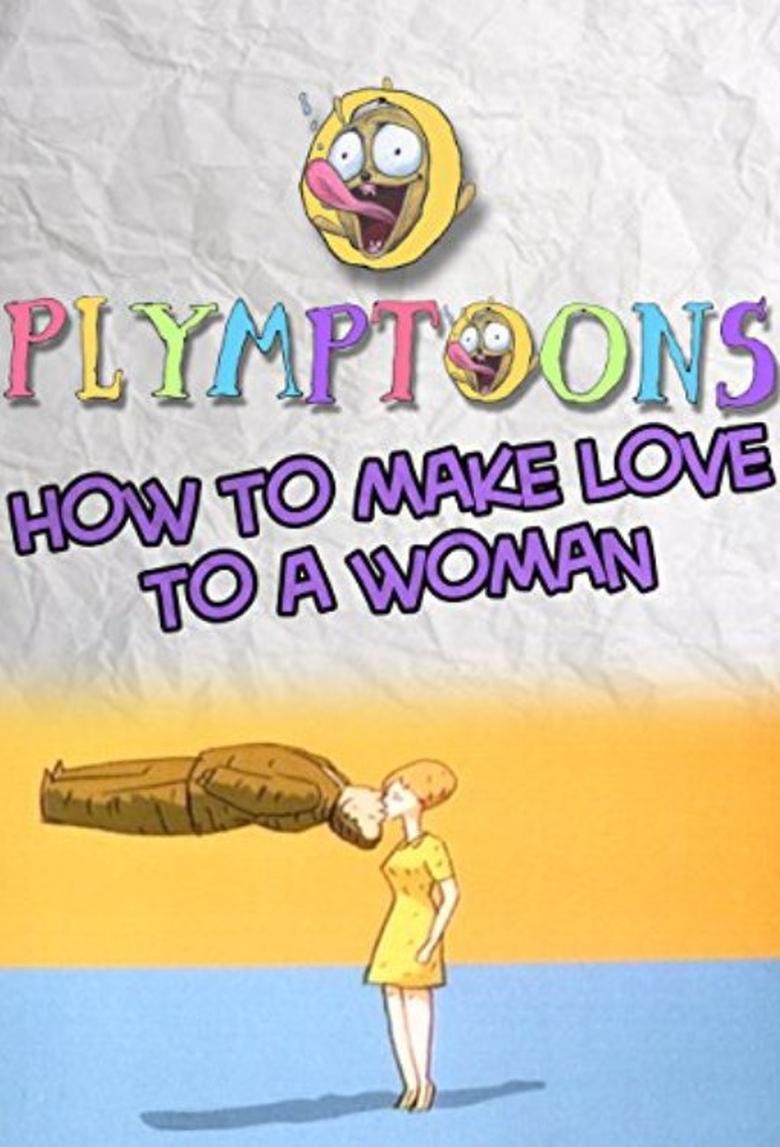
An animated look at the 11 essential steps to make the pilgrim's progess from finding a woman to making love to her. Along the way, our prototypical man gets advice about her eyes, her hair, her neck, her nostrils (and how they will flare as she becomes excited), the kiss, disrobing her (be subtle yet have authority), the hug, her nipples, and kinky accessories. At every turn, even as the exultant strains of Handel's Hallelujah Chorus signal that success is upon him, there are dangers and pitfalls. The journey requires steely resolve.
Overall Score
Minimal
Category Breakdown
LGBTQ+ Representation
The film operates within a strictly heteronormative framework. It lacks any depiction of non-cisnormative identities or same-sex intimacy.
Gender Representation
The narrative relies heavily on the male gaze, treating the female subject as a collection of anatomical parts. This reinforces traditional hierarchies where the male is the active seeker and the female is a passive object.
Racial & Ethnic Diversity
Stylized, hand-drawn caricatures strip away specific ethnic markers. While this avoids overt stereotyping, it fails to provide meaningful or intentional representation of diverse backgrounds.
Religious & Cultural Diversity
The story exists in a vacuum of secular, psychological exploration. It avoids engagement with social structures or the deconstruction of Western institutions.
Disability Representation
There is no discernible representation of physical, neurodivergent, or sensory disabilities. Characters function as prototypical figures in a surreal landscape.
Strengths
Areas for Improvement
AI Analysis
Bill Plympton’s surrealist animation prioritizes individual psychological obsession over social or demographic representation. The film functions as a study of desire through a singular, heteronormative lens, offering little room for intersectional depth. While the idiosyncratic visual style disrupts mainstream cinematic norms, it does not use its medium to challenge traditional gender hierarchies. Instead, the work reinforces a traditionalist view of romantic pursuit and masculine dominance.
No reviews yet. Be the first to share your thoughts on this movie!
Use the rating form above to leave a star rating and optional review.