We Are Many
2014
No user ratings available yet
Representation score: 6.2 out of 10
Representation Score
Fair
2002
Director
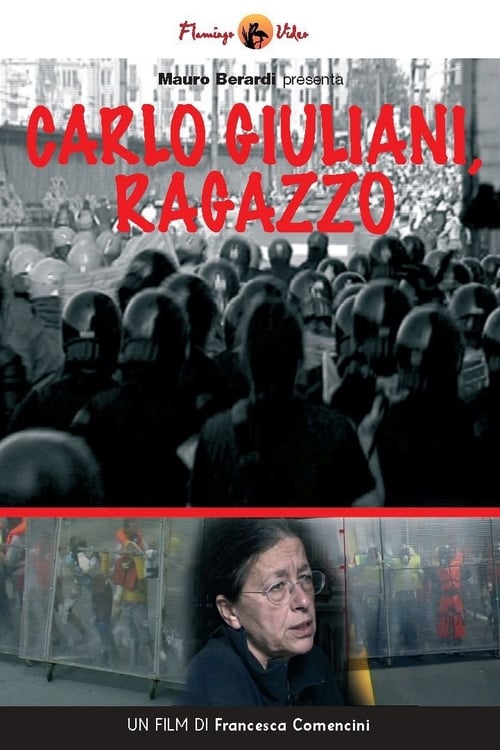
Francesca Comencini
Runtime
75 minutes
Average Rating
No ratings yetNew Showbiz Analysis
Carlo Giuliani, a Boy is a political film that emphasizes class struggle and anti-establishment sentiments over demographic diversity. It excels in cultural representation by questioning the legitimacy of state and corporate authority through an anti-capitalist perspective. However, the film remains anchored in the social norms of its time, resulting in limited LGBTQ+ and racial diversity. The cast and narrative focus on a homogeneous Italian movement. Ultimately, the film prioritizes a critique of systemic oppression and radical rebellion against institutional power over traditional identity politics.
Category Breakdown
The film centers on the socio-political mobilization of Italian youth but lacks significant LGBTQ+ characters or narratives exploring non-traditional gender identities, sticking to the social norms of the 1990s.
Though the protagonist is male, the film explores gender dynamics through family interactions. The relationship between Carlo and his mother underscores the emotional impact of political activism and personal vulnerability.
The story reflects the relatively uniform demographics of 1990s Italian student and working-class movements. It does not emphasize diverse ethnic representation as a key narrative element.
The film provides a critical examination of Western institutions and corporate dominance. It portrays the conflict between individuals and state violence in the context of globalization and consumerism.
There are no prominent depictions of physical or neurodivergent disabilities that serve as central plot drivers or character arcs.
Present on Screen
Limited or Absent
Official Synopsis
The film recounts Carlo Giuliani’s day of July 20 and, parallel to it, the July 20 of the march of the ‘disobedients’, or the ‘white overalls’, among whose ranks Carlo died. An individual’s story is told in all its absolute concreteness, the friends he meets, the snack bar he goes to for a bite, the roll of scotch tape he picks up on the street; whereas a multitude’s story is told in all its epic tragedy, the night under the rain, the colossal preparation against the march, the advance behind shields, the attack of which the multitude was victim, the defense that gets organized.
2014
2012

2013
2002
2016
2015

2011
2014
No reviews yet. Be the first to share your thoughts on this movie!
Use the rating form above to leave a star rating and optional review.