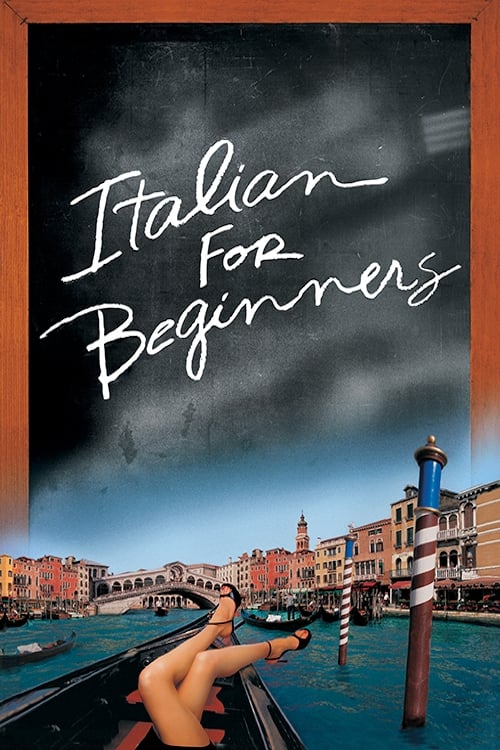
Italian for Beginners
2000
No user ratings available yet
Representation score: 5.7 out of 10

Representation Score
Good
1999
PG-13Director
Gregory Ruzzin
Runtime
93 minutes
Average Rating
No ratings yetNew Showbiz Analysis
The film’s strongest asset is its affectionate focus on gay men’s everyday lives, treating their relationships and domestic routines as both ordinary and worthy of celebration. This centering is rare for its era and gives the narrative a clear cultural identity. Its gender portrayal gains points for showing men cooking, cleaning, and caring for one another without irony, quietly challenging rigid masculinity. Yet women remain peripheral, mostly existing as romantic interests rather than fully realized characters. Racial and disability representation are minimal. The cast is overwhelmingly white, and no disabled characters appear, narrowing the film’s inclusivity despite its progressive queer lens.
Category Breakdown
The film centers on gay men sharing a New York household, making same-sex relationships and intimacy central to the story. These bonds are portrayed with affection and humor, offering a warm, normalized view of queer domestic life.
The ensemble is male-centered, with women appearing mainly as love interests or friends. The men share domestic labor like cooking and cleaning, subverting traditional masculine roles and presenting carework as natural.
The cast is primarily white, with no clear evidence of non-white characters given significant depth. Notable interracial relationships or meaningful cross-cultural dynamics do not appear in the narrative.
The story prioritizes chosen family and peer bonds over traditional parent-child dynamics. It frames mutual care and domestic cooperation as positive values without relying on explicit religious or political messaging.
No characters with physical or mental disabilities are clearly depicted in the available material. Disability does not appear to play a role in the plot or character arcs.
Present on Screen
Limited or Absent
Official Synopsis
A celebration of life, love, acceptance and family, "Food for the Heart" is a sweet romantic comedy, about two best friends, Delmar (Jorja Fox) and Hortense (Suzanne mara), whose culinary talents and gift for hospitality leads the two women to host evenings of love and laughter with an eccentric circle of half-baked family and friends.
2000

1999

2000

2009

2000
1996

1994

2007
No reviews yet. Be the first to share your thoughts on this movie!
Use the rating form above to leave a star rating and optional review.