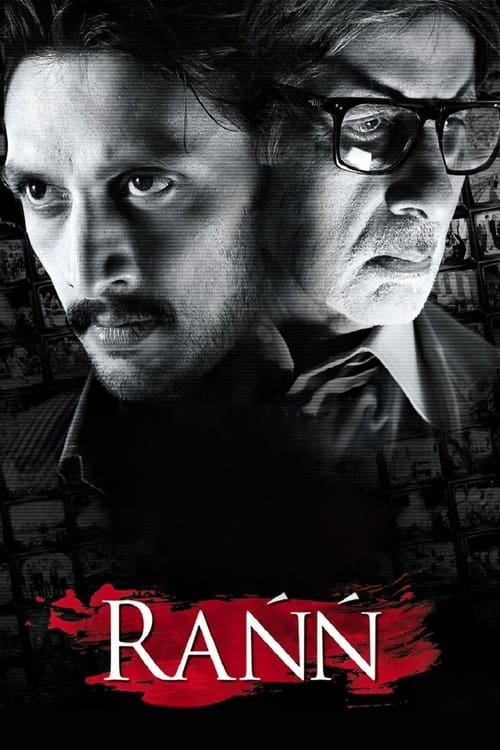
Rann
2010
No user ratings available yet
Representation score: 1.9 out of 10
Representation Score
Excellent
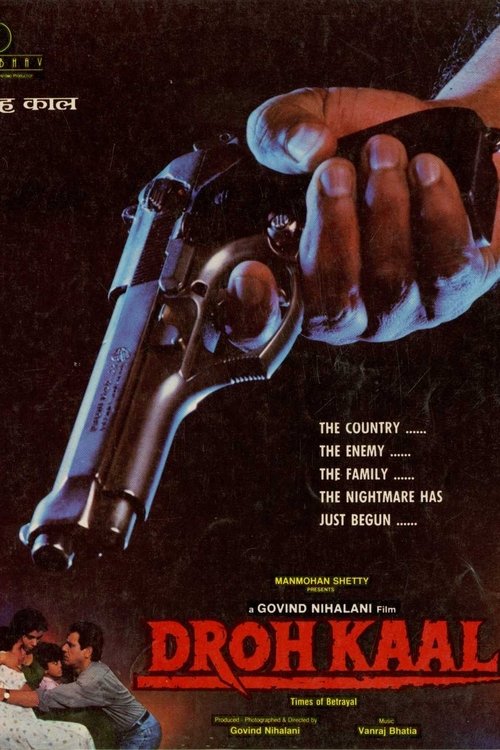
1994
Director
Govind Nihalani
Runtime
162 minutes
Average Rating
No ratings yetNew Showbiz Analysis
Govind Nihalani’s *Drohkaal* is a sophisticated study of the psychological costs of political instability. It moves away from commercial escapism to provide a gritty, social-realist critique of state power and institutional corruption. The film excels in its cultural specificity and its refusal to rely on monolithic hero narratives. By focusing on the internal fractures of a nation and the mental fragmentation of its officers, it offers a nuanced, non-Western perspective on conflict. However, the film's focus on professional law enforcement limits its breadth regarding LGBTQ+ representation and diverse gender roles. While it challenges male clichés through vulnerability, the primary narrative ability to act remains largely tied to traditional professional spheres.
Category Breakdown
The film focuses on the high-stakes tension of counter-terrorism and state-level psychological trauma. There are no visible queer narratives or non-cisgender identities central to the plot.
The story centers on the psychological struggles of police officers, roles often dominated by masculine archetypes. However, the film challenges the stoic hero cliché by showing the mental fragility of these authority figures.
Set in the Indian socio-political landscape, the film offers high ethnic diversity and cultural specificity. It uses a local lens to examine systemic conflict rather than following Western-centric storytelling models.
The film examines state institutions and the moral ambiguity of conflict. It avoids simple binaries of good versus evil, instead critiquing the systemic pressures and potential corruption within institutional structures.
While physical disabilities are not explicitly mentioned, the film explores invisible disabilities. It centers on the mental and psychological trauma, such as PTSD, resulting from systemic violence.
Present on Screen
Limited or Absent
Official Synopsis
Drohkaal (Times of Betrayal) deals with India's fight against terrorism. The film examines the mental and psychological trauma that honest police officers go through in their fight against a group of ruthless terrorists.
2010
2016
2008
2013
2000
2026
2010
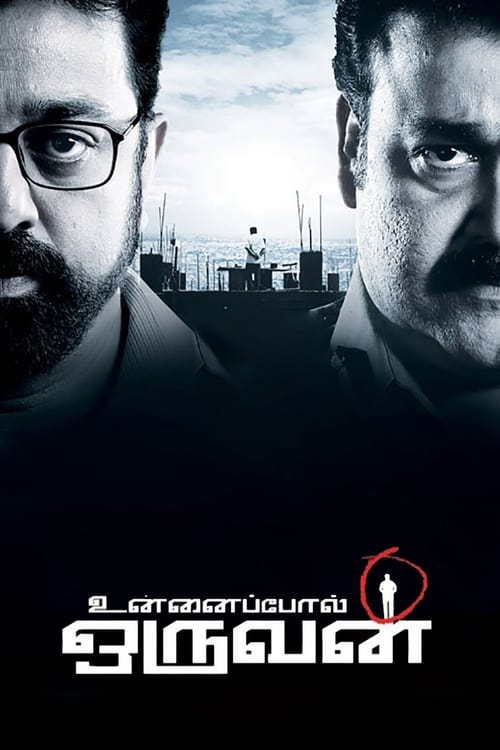
2009
No reviews yet. Be the first to share your thoughts on this movie!
Use the rating form above to leave a star rating and optional review.