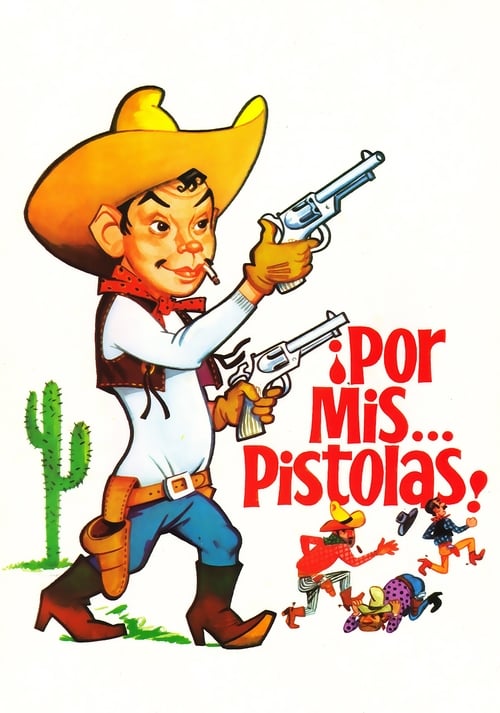
Por mis pistolas
1968
No user ratings available yet
Diversity score: 4.4 out of 10
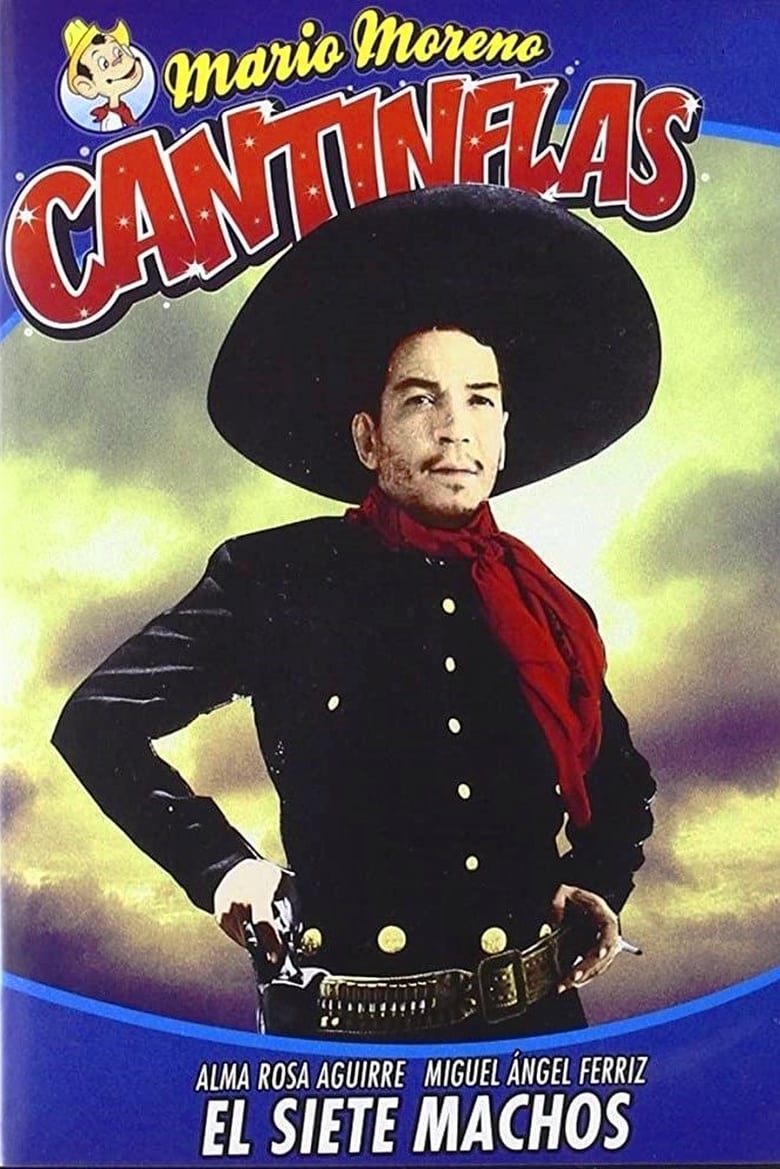
1951
Director
Miguel M. Delgado
Runtime
108 minutes
Average Rating
No ratings yetSynopsis
Rosario, the niece of the rancher, returns to the ranch after ten years of absence. She takes in Margarito, a worker at the ranch, who is immediately smitten by her. Rosario is rescued from a runaway horse by the Seven Men, an outlaw a la Robin Hood that steals from the rich and gives to the poor. He also happens to be the twin brother of Margarito, unbeknownst to him. The confusion between Margarito and the Seven Men generates great comical situations in the film.
Overall Score
Fair
Category Breakdown
LGBTQ+ Representation
The film adheres to the heteronormative social structures of its era. No non-cisnormative identities or same-sex romantic dynamics are present in the narrative.
Gender Representation
Rosario acts as a plot catalyst but primarily functions as an object of pursuit. The comedy relies on male archetypes and verbal dexterity rather than subverting gender roles.
Racial & Ethnic Diversity
The film features a predominantly mestizo cast, centering Mexican identity and rural working-class archetypes. It avoids the whitewashing common in contemporaneous Hollywood productions.
Religious & Cultural Diversity
The narrative uses a Robin Hood-style outlaw to explore wealth redistribution. It reflects a localized skepticism toward authority through the protagonist's linguistic maneuvering.
Disability Representation
There are no prominent depictions of visible or invisible disabilities. Characters are defined by socioeconomic status and archetypal roles.
Strengths
Areas for Improvement
AI Analysis
El Siete Machos is a quintessential product of mid-century Mexican cinema, utilizing farce and mistaken identity to navigate rural social frictions. It excels in cultural authenticity by centering mestizo identities and working-class archetypes, providing a localized perspective that avoids the homogenization seen in Hollywood films of the same period. However, the film remains tethered to the traditional social hierarchies of its time. The gender dynamics are largely conventional, positioning women as objects of pursuit rather than active agents. The narrative lacks any representation of LGBTQ+ identities or disability, adhering strictly to the heteronormative and able-bodied standards of 1951. Ultimately, while the film offers a nuanced look at Mexican social dynamics through its 'trickster' protagonist, it does not seek to deconstruct systemic social or gender-based power structures.
1968

1977
1975
1972
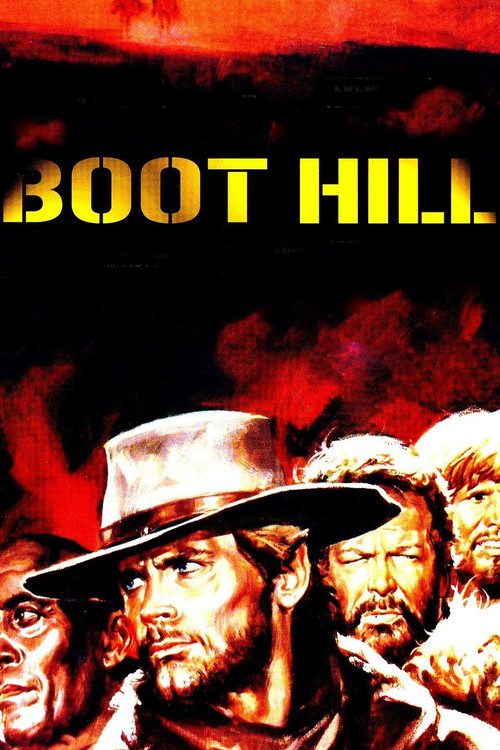
1969
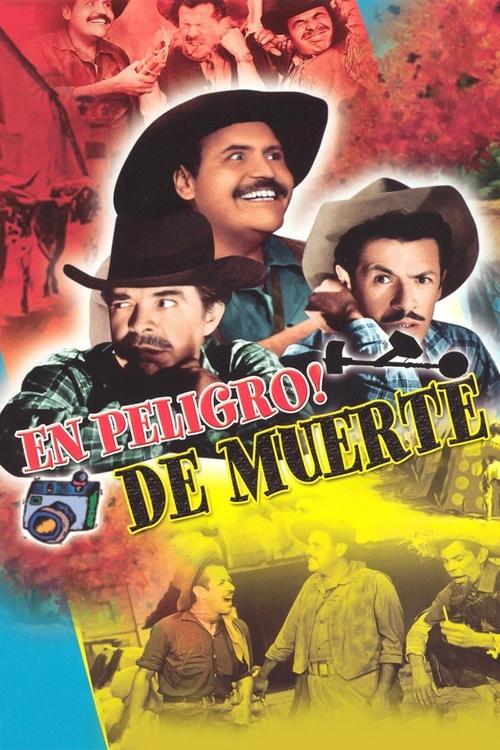
1962
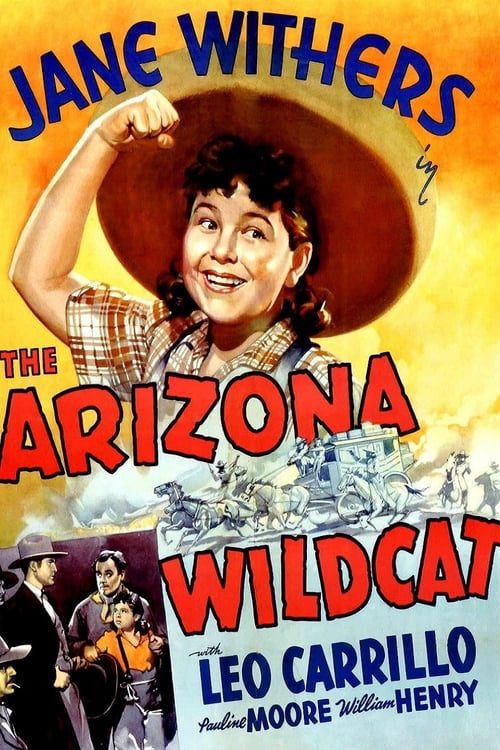
1939
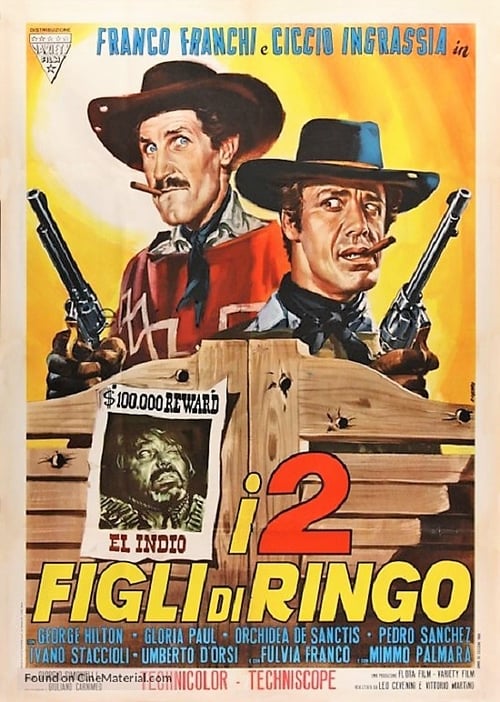
1966
1977
1952
1993
1920
No reviews yet. Be the first to share your thoughts on this movie!
Use the rating form above to leave a star rating and optional review.