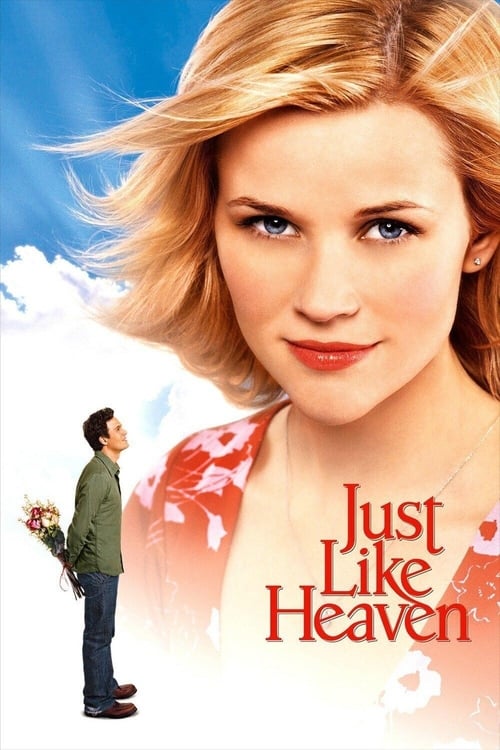
Just Like Heaven
2005
No user ratings available yet
Representation score: 2.7 out of 10
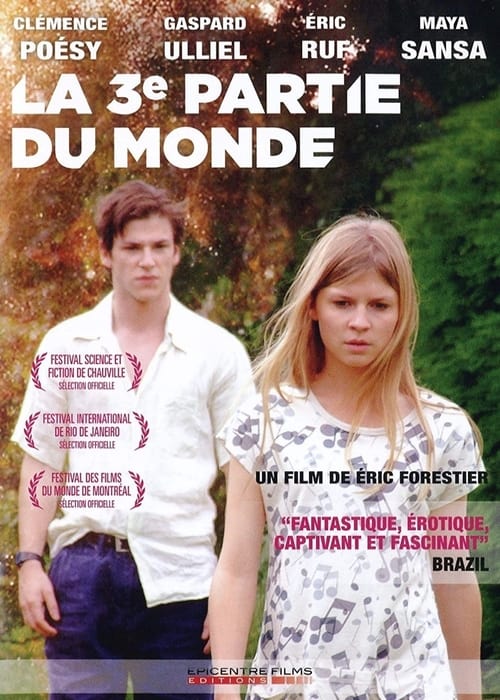
Representation Score
Fair
2008
Director
Éric Forestier
Runtime
105 minutes
Average Rating
No ratings yetNew Showbiz Analysis
The film explores themes of romance and the metaphysical. It moderately challenges traditional gender roles by empowering the female protagonist with supernatural abilities. However, the narrative remains centered on conventional romantic structures. The story lacks complexity in representing multiple aspects of identity and broader social critiques. It focuses on individual psychological and fantastical experiences rather than diverse or progressive themes. Overall, the film serves as a localized European drama emphasizing personal mysteries over broader social representations.
Category Breakdown
The film focuses on a traditional heterosexual relationship between Emma and François. It does not include any characters with non-conforming gender identities or challenge conventional romantic ideals.
Emma's journey challenges traditional feminine roles as she evolves from a passive love interest to a powerful figure discovering supernatural abilities. The plot emphasizes her active role over the male lead.
The story is set in Paris and revolves around a mystery involving a small group of characters. It does not depict a wide range of racial or ethnic backgrounds.
The film uses magical realism to question objective reality and materialist views. However, it stays focused on personal drama without addressing broader institutional or cultural critiques.
The film does not explicitly feature characters with physical or neurological disabilities. Psychological stress is used as a typical suspense device rather than a detailed look at mental health issues.
Present on Screen
Limited or Absent
Official Synopsis
Emma meets François at an airport in France. He is an astronomer who studies the phenomenon of black holes, and Emma finds herself immediately taken with him. Their romance flourishes during a stay in the countryside. But one day, François disappears on a bicycle ride. Left alone in a big house, Emma becomes afraid and returns to Paris to continue her life as a real estate agent. Soon after, François' brother Michel contacts her and together they try to solve the mystery of François' disappearance. But when he encounters Emma, Michel begins to transform into a ghost. Emma slowly begins to realize she possesses a frightening power that she was not aware of.
2005
1991

2022
2012

2019
2009
2010

2014
No reviews yet. Be the first to share your thoughts on this movie!
Use the rating form above to leave a star rating and optional review.