
Jan-e-Man
2021
No user ratings available yet
Diversity score: 3.4 out of 10
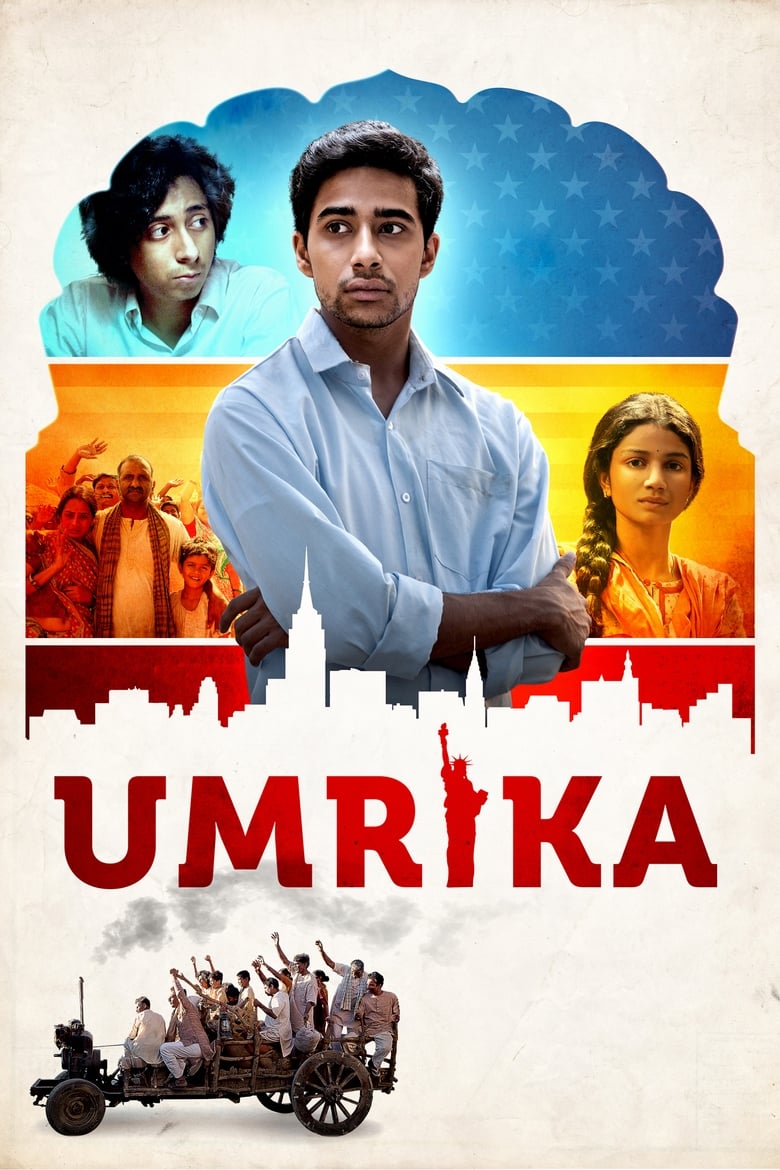
2015
Director
Prashant Nair
Runtime
98 minutes
Average Rating
No ratings yetSynopsis
When a young village boy discovers that his brother, long believed to be in America, has actually gone missing, he begins to invent letters on his behalf to save their mother from heartbreak, all the while searching for him.
Overall Score
Fair
Category Breakdown
LGBTQ+ Representation
The film does not feature LGBTQ+ characters or explorations of non-heteronormative identities. The narrative remains focused on the traditional familial unit.
Gender Representation
The story centers the female experience through a young girl navigating profound loss. It prioritizes her internal life and emotional labor over male-driven action.
Racial & Ethnic Diversity
The film excels in regional authenticity by featuring a predominantly Malayali cast. It presents a non-Western worldview as the narrative's natural baseline.
Religious & Cultural Diversity
The narrative is deeply rooted in the local traditions and rituals of Kerala. It focuses on the sanctity of family rather than deconstructing social structures.
Disability Representation
There are no prominent depictions of visible or invisible disabilities. The focus remains on psychological grief rather than physical or neurodivergent representation.
Strengths
Areas for Improvement
AI Analysis
Umrika is a contemplative work of poetic realism that prioritizes emotional truth over systemic critique. It succeeds by immersing the viewer in the specific cultural and linguistic landscape of rural Kerala, avoiding the homogenized lens of mainstream commercial cinema. While the film provides meaningful representation by centering female perspectives and regional authenticity, it lacks explicit intersectional subversion. The narrative operates within a naturalistic portrayal of domestic life rather than seeking to deconstruct traditional hierarchies. Ultimately, the film is a localized, character-driven drama. It achieves high marks for cultural specificity but remains limited by its focus on traditional familial structures and a lack of diverse identity explorations.
2021
2021
2010
2020

2018
2024
2017
2021

2020

2010
2020
2021
No reviews yet. Be the first to share your thoughts on this movie!
Use the rating form above to leave a star rating and optional review.