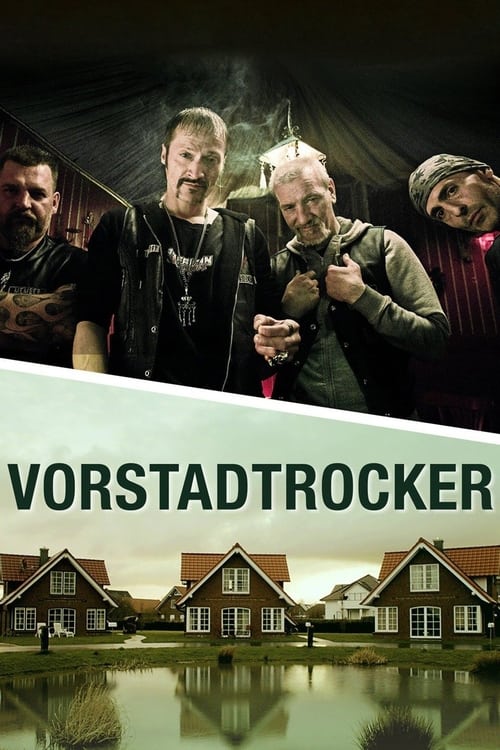
Vorstadtrocker
2015
No user ratings available yet
Representation score: 1.1 out of 10
Representation Score
Limited
2016
Director
David Gruschka
Average Rating
No ratings yetNew Showbiz Analysis
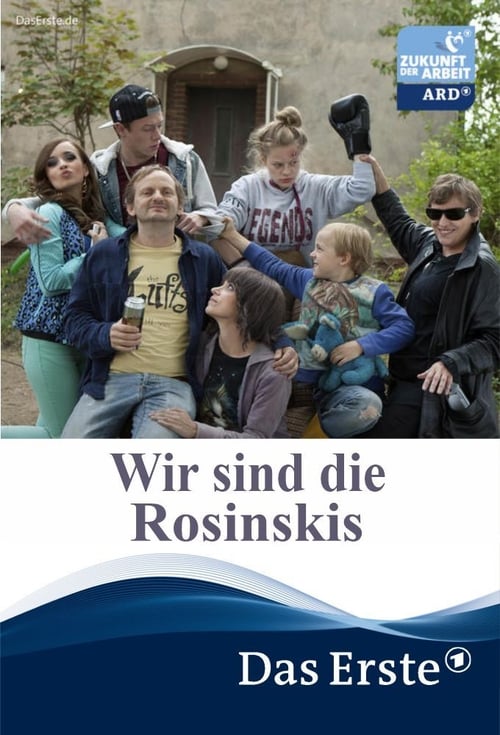
Wir sind die Rosinskis functions primarily as a socioeconomic character study rather than a diverse ensemble piece. It finds its depth in the friction between underrepresented social strata and rigid economic structures. The film succeeds in subverting traditional patriarchal hierarchies by centering Peggy's labor and resilience. However, it remains limited by a lack of LGBTQ+ representation and a narrow focus on a localized German context. Ultimately, the work achieves moderate success by providing an empathetic lens on characters living on the periphery of mainstream capitalist society.
Category Breakdown
The film does not include any identifiable LGBTQ+ characters or storylines. It focuses solely on a straight-centered family unit and the romantic relationship between Angelique and Devid.
Peggy Rosinski serves as the central pillar of resilience, disrupting traditional hierarchies by acting as the primary provider. The film offers a nuanced depiction of patchwork motherhood and women's ability to drive the story.
The story depicts a localized German social context with no explicit evidence of a non-white majority cast. It prioritizes socioeconomic 'otherness' over racial or ethnic diversity.
The narrative critiques modern economic structures by framing illegal activities as a survival mechanism against systemic poverty. It explores the friction between nomadic lifestyles and contemporary capitalism.
There is no significant evidence regarding the depiction of visible or invisible disabilities. Character struggles are centered on socioeconomic status and nomadic challenges.
Present on Screen
Limited or Absent
Official Synopsis
Peggy Rosinski lives in a shabby neighborhood in Frankfurt/Oder. The patchwork mom has three children, but only one of them is from her current husband Torben. She also works two different jobs to make ends meet and reduce her mountain of debt. Meanwhile, the eldest of the Rosinskis, Angelique, only hangs out with her new boyfriend Devid and the youngest, Finn, is teased by his classmates because of his family's poverty. When Torben loses his job, Peggy is at a loss. Her mother Angelika knows what to do, as she has been earning a few cents for years through illegal activities. But does Peggy really want to get involved in this kind of business?
2015

2012
2019

2013

2003

2019
2020

2017
No reviews yet. Be the first to share your thoughts on this movie!
Use the rating form above to leave a star rating and optional review.