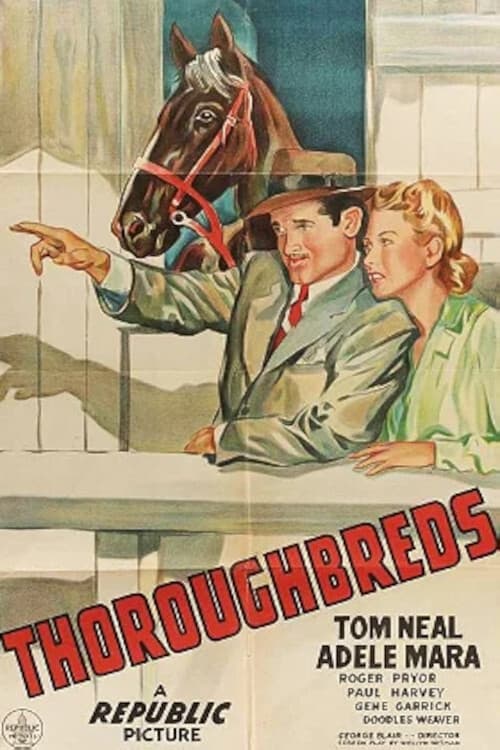
Thoroughbreds
1944
No user ratings available yet
Representation score: 1.6 out of 10
Representation Score
Minimal
1948
ApprovedDirector
William Berke
Runtime
66 minutes
Average Rating
No ratings yetNew Showbiz Analysis
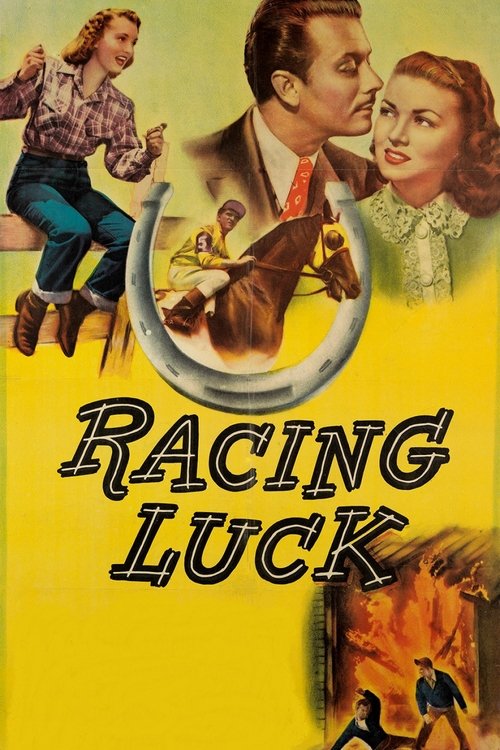
Racing Luck is a typical mid-century genre piece that adheres strictly to the social and narrative conventions of 1948. The plot prioritizes a conventional romantic and competitive storyline over any meaningful exploration of identity or social hierarchy. The film operates within a homogeneous framework, focusing on horse ownership and traditional romantic entanglements. It lacks the intentionality required to disrupt established norms or provide diverse representation. Ultimately, the film reflects the era's tendency toward homogeneous casting and traditional gender roles, offering little in the way of diverse perspectives.
Category Breakdown
The film does not include any LGBTQ+ characters or narratives. The central romantic conflict follows a traditional heterosexual relationship between Phyllis and Jeff Stuart.
Phyllis plays a significant role in the story, but her actions are often influenced by her romantic interest in a male rival. The plot is driven by male competition and ownership.
The narrative focuses on a specific social class within horse racing. There is no mention of non-Anglo-Saxon characters or a diverse cast.
Themes center around property rights, inheritance, and sportsmanship. The story reinforces traditional notions of legalistic competition and social order.
There is no information regarding the portrayal of physical or neurodivergent characters in this production.
Present on Screen
Limited or Absent
Official Synopsis
Brother and sister "Boots" Warren and Phyllis Warren inherit two race horses. One of the horses is claimed by a rival horse-owner, Jeff Stuart, when it wins a claiming race at Santa Anita. Then Stuart learns that the horse will not run without its former stablemate. But neither Stuart nor the Warrens want to give up their respective horses. It is finally agreed that both horses will be entered in the same race, and the winning owner will gain possession of both horses. The only complication is that Phyllis has fallen in love with Stuart.
1944
1945
1939
1929
1929
1926
1954
1949
No reviews yet. Be the first to share your thoughts on this movie!
Use the rating form above to leave a star rating and optional review.