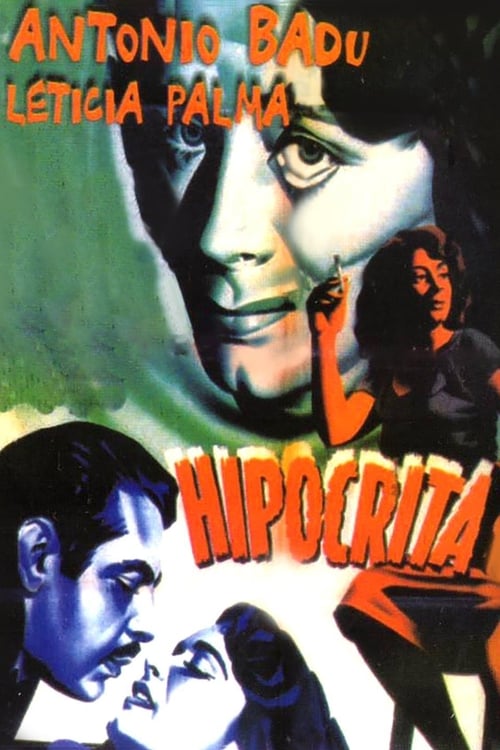
Hipócrita..!
1949
No user ratings available yet
Representation score: 3.9 out of 10
Representation Score
Good
1953
PGDirector
Juan José Ortega
Runtime
82 minutes
Average Rating
No ratings yetNew Showbiz Analysis
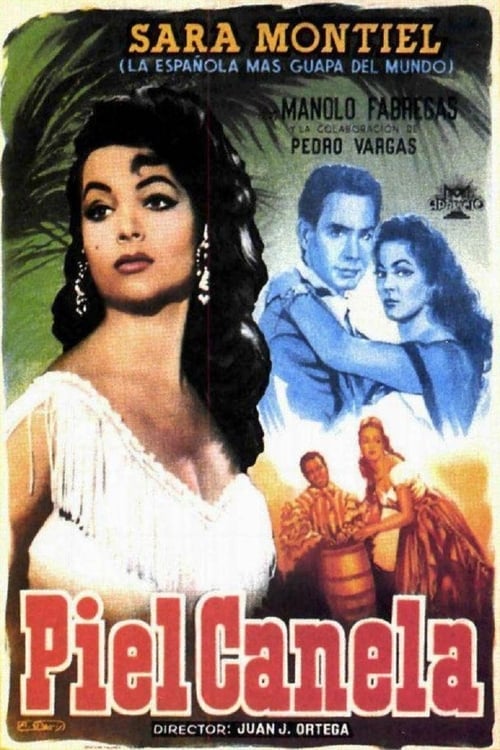
Cinnamon Skin occupies a transitional space in mid-century cinema. It avoids the most reductive clichés by granting the female lead professional ability to act and a complex physical identity. The character of Marucha stands out, moving beyond the submissive roles typical of 1950s melodrama. However, the film lacks depth in reflecting multiple aspects of identity. While it explores moral ambiguity through its criminal protagonists, it does not engage in a systemic critique of social hierarchies. The narrative remains focused on individual melodrama and romantic survival. Ultimately, the film provides a nuanced character study but stays within the established social frameworks of its time, lacking the progressive structure needed for a higher diversity rating.
Category Breakdown
The film centers on a romantic and criminal partnership between Marucha and Ramon. It follows traditional romantic structures from the 1950s without explicitly representing LGBTQ+ identities.
Marucha breaks traditional feminine stereotypes through her career as a singer and her involvement in crime. However, the narrative balances her professional ability to act against her physical beauty.
The title suggests a focus on skin tone, yet the film lacks specific details about ethnic composition. It seems to follow the localized, homogeneous casting common in its era.
The story uses a criminal framework to introduce moral ambiguity. It focuses on individual survival and romance rather than a systemic critique of religion or Western institutions.
Marucha’s facial scarring is a central part of her identity rather than a mere plot device. She navigates the world with ability to act, using her hair to mask her injury.
Present on Screen
Limited or Absent
Official Synopsis
Marucha (Sarita Montiel) has had a shattered face since childhood, but she has a beautiful figure and covers half of her face with her hair. She is a singer and performs in neighborhood theaters. Marucha and Ramon are professionals in crime.
1949
1942
1949
1962
1960
1954
1955
1956
No reviews yet. Be the first to share your thoughts on this movie!
Use the rating form above to leave a star rating and optional review.