
The Male Gaze: Three's Company
2021
No user ratings available yet
Representation score: 6.6 out of 10
Representation Score
Good
2018
Director
Benoît Duvette, Rémi Bigot, Loïc Dimitch, Francisco Bianchi, Arthur Cahn, Benjamin Wacksmann
Runtime
116 minutes
Average Rating
No ratings yetNew Showbiz Analysis
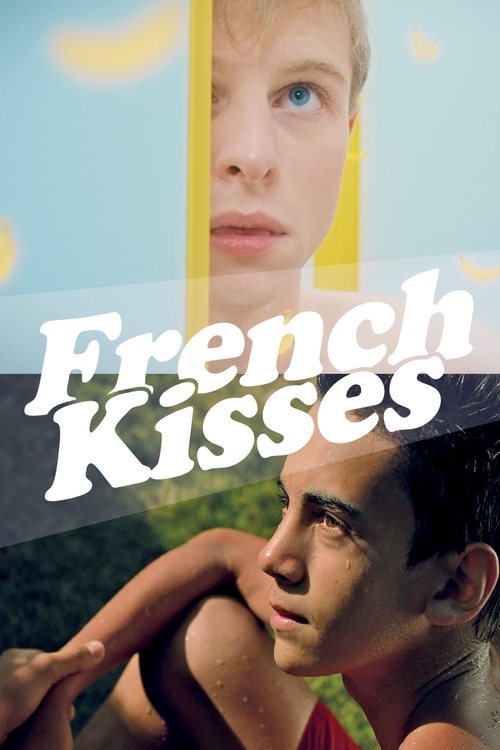
French Kisses excels as a dedicated exploration of queer life, using an anthology format to present a multifaceted view of identity. By covering various life stages, the film avoids monolithic stereotypes and provides a nuanced look at intimacy. While the film is strong in its central theme, it lacks clear evidence of racial diversity, leaning into a specific European cultural aesthetic. The focus remains heavily on male-centered narratives, which limits the scope of gender representation. Ultimately, the collection succeeds in elevating gay narratives to the primary subject matter, offering a sophisticated tapestry of human connection that feels both localized and universal.
Category Breakdown
The anthology focuses entirely on queer lived experiences, exploring the full lifecycle of identity from adolescent discovery to mature companionship.
The film emphasizes emotional vulnerability, disrupting traditional masculine archetypes and focusing on interpersonal complexity.
The work is characterized as quintessentially French, suggesting a focus on European aesthetics. However, explicit multi-ethnic representation is not clearly established.
The narratives prioritize individual autonomy and personal truth, favoring the individual's journey over adherence to traditional religious or institutional moral frameworks.
There is no information available regarding the depiction of physical or neurodivergent disabilities within these six short films.
Present on Screen
Limited or Absent
Official Synopsis
A collection of the best gay stories France has to offer. From tales of teenage sexual awakening, to searing studies of complex adult relationships, these six films are both quintessentially French and undeniably Universal. Includes: Apollo [Apollon] (2016); Body of Angels [Le corps des anges] (2016); Electric July [Juillet électrique] (2014); Herculanum (2016); In Return [En retour] (2013); Ruptures (or André and Gabriel) [Ruptures (ou André et Gabriel)] (2016).
2021
2014
2012

2016
2009
2021

2020
2012
No reviews yet. Be the first to share your thoughts on this movie!
Use the rating form above to leave a star rating and optional review.