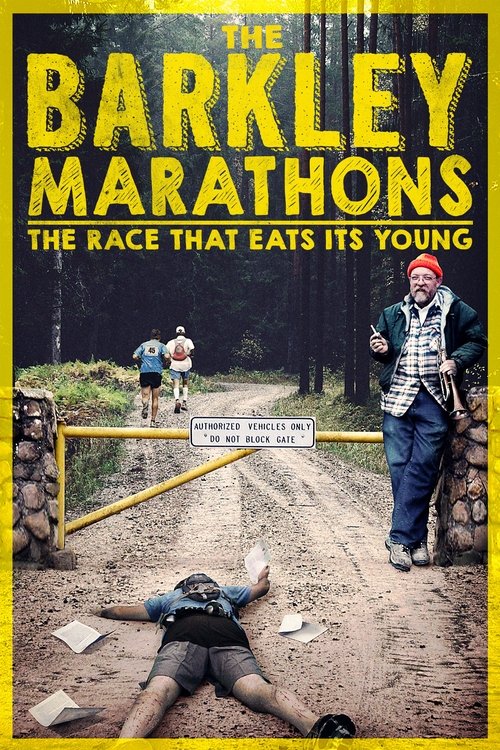
The Barkley Marathons: The Race That Eats Its Young
2014
No user ratings available yet
Representation score: 3.4 out of 10
Representation Score
Minimal
2016
Director
Phil Keoghan
Runtime
90 minutes
Average Rating
No ratings yetNew Showbiz Analysis
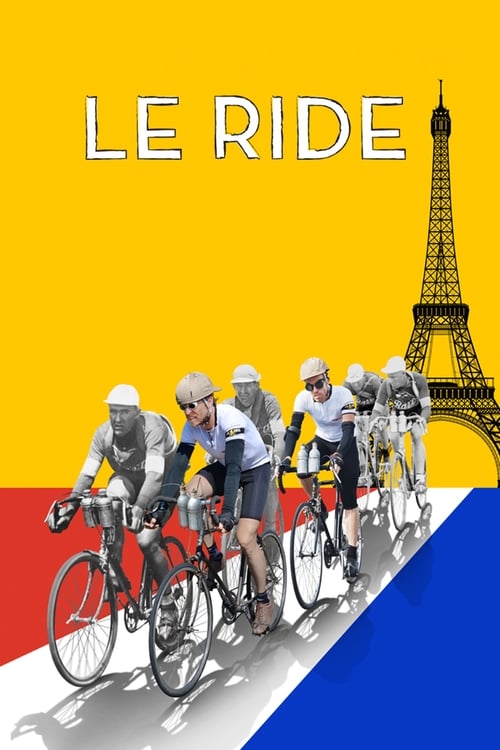
Le Ride is a traditional historical documentary that prioritizes preserving sporting history. It centers on the determination of an underdog team from New Zealand and Australia during the 1928 Tour de France. The narrative structure relies on conventional themes of endurance and tenacity. While it offers a compelling look at historical athletic achievement, it does not aim to deconstruct social or systemic hierarchies. Ultimately, the film operates within a standard historical framework. It lacks the intentionality needed to provide progressive or characters who reflect more than one aspect of diversity, focusing instead on the meritocracy of sport.
Category Breakdown
The film focuses on a 1928 sporting event. There are no LGBTQ+ characters or stories about non-assuming gender matches what was assigned at birth identities.
The story centers on a male-dominated era and a male-led expedition. It follows traditional portrayals of masculine endurance and physical struggle.
The documentary highlights a New Zealand and Australian team competing against a European establishment. However, the subjects reflect the demographic homogeneity of the 1928 era.
The film emphasizes traditional values like perseverance and teamwork. It leans into the romanticism of historical struggle rather than critiquing Western institutions.
The content focuses on able-bodied athletic performance. There is no mention of participants dealing with visible or invisible disabilities.
Present on Screen
Limited or Absent
Official Synopsis
In 1928 an under-resourced and untested team from New Zealand and Australia competed in what is considered to be the toughest sporting event in the world. Many considered the entry of these courageous underdogs, racing as a team of 4 against teams of 10, a joke. One French journalist called their attempt nothing short of murder. 168 riders started the more than 3,500-mile race, only 41 finished. Surprisingly this remarkable story about the achievements of these brave athletes has never been told on film, until now. Phil Keoghan - television personality, adventurer and cycling enthusiast, retraces the 1928 Tour de France route, bringing history to life. Following the original course and schedule, riding a vintage bike, Phil and his team will average 150 miles a day for 22 stages.
2014
2016
2003
2011
2008
2015
2000
2005
No reviews yet. Be the first to share your thoughts on this movie!
Use the rating form above to leave a star rating and optional review.