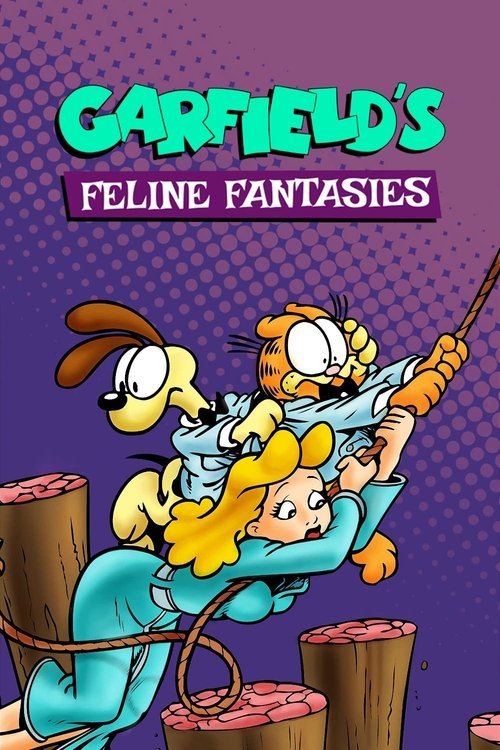
Garfield's Feline Fantasies
1990
No user ratings available yet
Representation score: 3.1 out of 10
Representation Score
Minimal
1982
TV-YDirector
Phil Roman
Runtime
24 minutes
Average Rating
No ratings yetNew Showbiz Analysis
This 1982 special is a typical character-driven comedy based on classic comic strip styles. It prioritizes mainstream, era-specific entertainment over exploring identity politics or systemic power structures. The narrative focuses on a cynical cat protagonist and his companion, using an animation style common in the mid-20th century. Since the characters are all animals, the film lacks the human context needed for racial, ethnic, or complex gendered social commentary. Overall, the work serves as a baseline example of traditional family-oriented programming from the early 1980s, adhering to the storytelling conventions and social norms of the time.
Category Breakdown
The story centers on animal characters within a traditional comedic format. It does not include any representation of non-straight identities or critiques of the assumption that everyone is straight.
The story revolves around a male-coded cat protagonist. While it avoids obvious sexism, it does not offer nuanced roles for female characters or challenge traditional gender roles.
Since the characters are animals, there are no human characters to represent racial diversity. The film also does not use animal characters to symbolize ethnic identities.
The film follows traditional Western entertainment values from the early 1980s. Its themes focus on situational humor rather than critiquing religious or societal institutions.
The film does not feature characters with visible or hidden disabilities. There are no depictions of characters with sensory or cognitive differences.
Present on Screen
Limited or Absent
Official Synopsis
The first TV special starring the rotund comic strip staple Garfield the Cat. Here, he and his dull-witted canine cohort Odie end up at the pound.
1990
2006
1986
2004
1987
1989

1984
1983
No reviews yet. Be the first to share your thoughts on this movie!
Use the rating form above to leave a star rating and optional review.