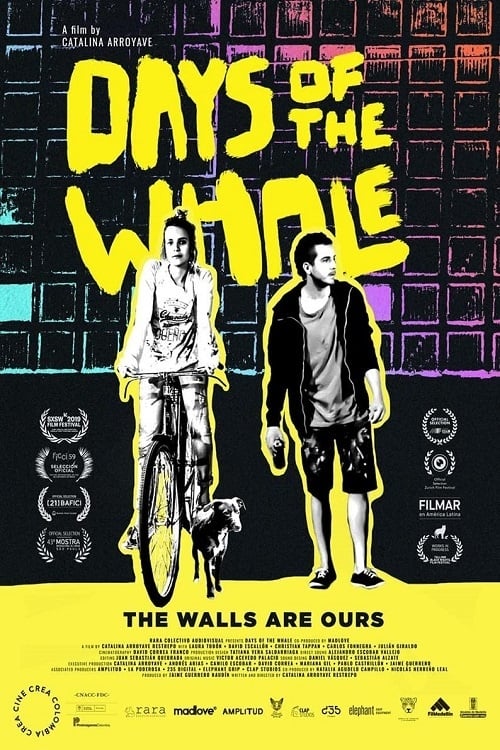
Days of the Whale
2019
No user ratings available yet
Representation score: 6.7 out of 10
Representation Score
Good
2016
Director
Juan Sebastián Mesa
Runtime
84 minutes
Average Rating
No ratings yetNew Showbiz Analysis
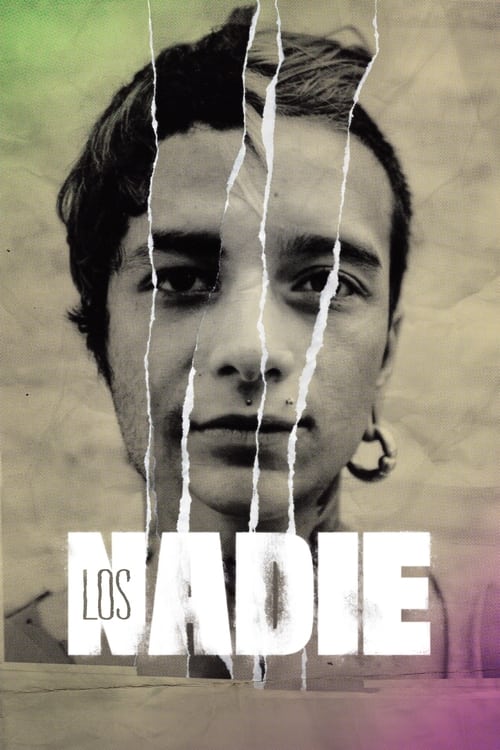
The Nobodies is a gritty study of adolescent liminality set against the hostile backdrop of Medellín. It succeeds by centering the ability to act of underrepresented youth, using music and street art as tools of cultural resistance. The film excels in its portrayal of racial and cultural diversity, reflecting the complex social realities of the Colombian urban landscape. It moves beyond simple coming-of-age clichés to critique systemic exclusion. However, the narrative lacks explicit detail regarding LGBTQ+ identities and disability representation. While the themes of unrest suggest emotional depth, specific character arcs in these areas remain unverified.
Category Breakdown
The film explores identity through the lens of adolescent unrest and the rejection of societal fear. While specific romantic identities are not explicitly detailed, the narrative creates space for non-traditional social expressions.
A mixed group of five friends emphasizes peer solidarity over traditional hierarchies. Female characters are positioned as active participants in a shared struggle, challenging stereotypes of female passivity.
The cast reflects the diverse, non-Anglo-Saxon reality of Medellín. By centering characters living on the urban periphery, the film critiques racial and class-based hierarchies through their lived experiences.
The story prioritizes collective resistance against hostile urban institutions. It frames the protagonists' struggle as a rebellion against corrupt systemic structures rather than pursuing individualistic or capitalist advancement.
There is no verifiable evidence regarding specific physical or neurodivergent disability arcs. The film focuses instead on the psychological and emotional vulnerabilities inherent to adolescence.
Present on Screen
Limited or Absent
Official Synopsis
Camilo, Mechas, Manu, Ana and Pipa are five friends going through that blended trance of intense unrest, astonishment, contained tenderness and manifested rage that is typical of the end of adolescence. They survive at the edges of a city, Medellin, that simultaneously attracts and excludes them, that lure them with promises but rejects them with hostility. Nevertheless, they want to embrace the city and fight against its logics of fear. Music, street art and friendship are their weapons of resistance, hoping for a rite of passage that could transform them into someone else.
2019
2017
2019

2019
2016
2012
2018
2012
No reviews yet. Be the first to share your thoughts on this movie!
Use the rating form above to leave a star rating and optional review.