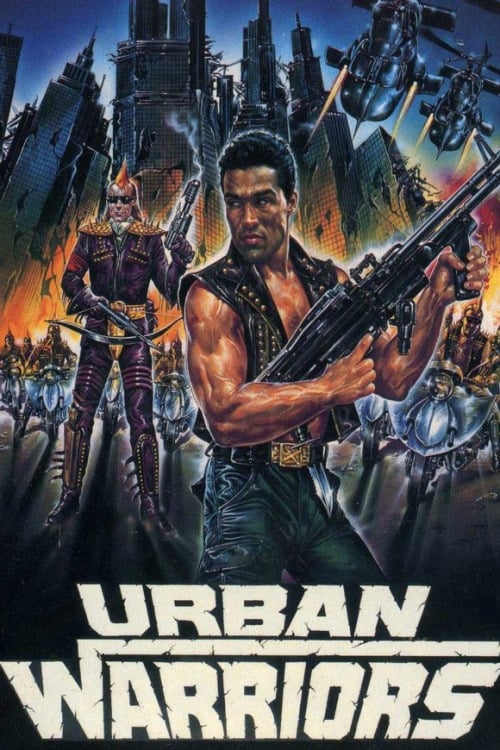
Urban Warriors
1987
No user ratings available yet
Representation score: 4.5 out of 10
Representation Score
Fair
2017
Director
Sven Knüppel
Runtime
108 minutes
Average Rating
No ratings yetNew Showbiz Analysis
The film uses a post-apocalyptic setting to critique rigid social hierarchies. By pitting genetically-enhanced rulers against natural-born subjects, it creates a framework for exploring systemic oppression and class struggle. While the story effectively deconstructs institutional authority and power structures, it lacks specific demographic depth. The narrative focuses more on biological stratification than on characters who reflect more than one aspect of diversity. Ultimately, the film's diversity is structural rather than individual, challenging the status quo through its world-building while remaining silent on specific identities like gender, sexuality, or disability.
Category Breakdown
The film does not include any visible LGBTQ+ characters or stories about non-straight identities. There is no evidence of queer representation in the provided story framework.
The narrative centers on a crew uprising, suggesting a shift in power dynamics. However, there are no specific details about individual gender roles or the roles of female characters.
The film uses biological differences to show a divide between genetically-enhanced and naturally-born humans, exploring themes of 'otherness' and systemic inequality.
The plot critiques centralized, oppressive authority through an uprising against a dominant citadel. It explores anti-establishment themes by seeking the legendary Republic of EZO.
Genetic enhancement implies a discussion of biological differences, but it is unclear if this addresses disability issues. There is no evidence of characters with disabilities.
Present on Screen
Limited or Absent
Official Synopsis
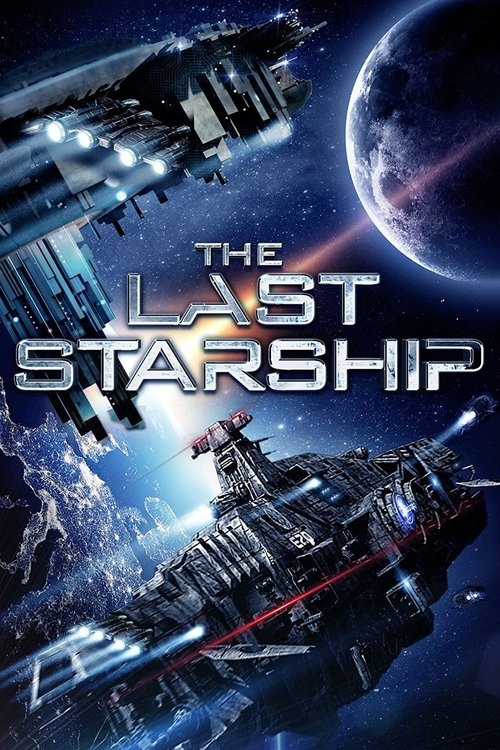
Conflict and tension looms heavily across the broken remains of a distant, post-apocalyptic world. Controlled by a race of oppressive genetically-enhanced humans, the last natural-born humans have no choice but to bow down to their rule. The only alternative is to wander the vast wastelands surrounding the last habitable city, whilst relentlessly hunted by roaming pack of mutated monsters. Meanwhile, outside the towering walls of the citadel, aboard a massive hulking army tank, an uprising occurs amongst the natural-born crew. Their hope lies in the legend of the Republic of EZO: said to return aboard the last starship....
1987
2008

2018
2017
2014
1997
2015
1995
No reviews yet. Be the first to share your thoughts on this movie!
Use the rating form above to leave a star rating and optional review.