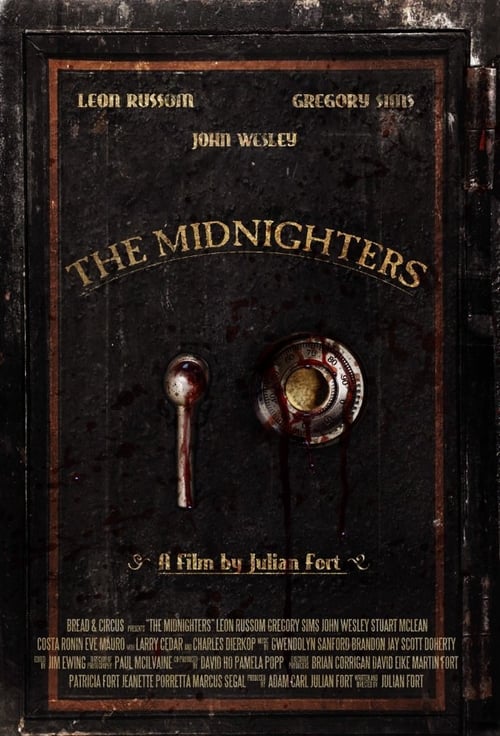
The Midnighters
2017
No user ratings available yet
Representation score: 5.0 out of 10
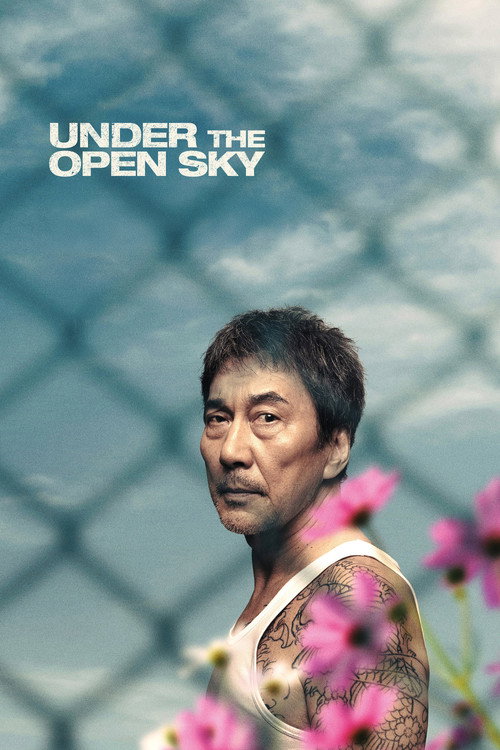
Representation Score
Fair
2021
Director
Miwa Nishikawa
Runtime
126 minutes
Average Rating
No ratings yetNew Showbiz Analysis
Under the Open Sky is a character-driven film that emphasizes psychological depth and social critique over demographic diversity. It excels in dismantling traditional Japanese social structures and questioning the sanctity of the family unit, providing a sophisticated exploration of moral ambiguity. However, the film falls short in representing a broad spectrum of identities. It lacks visibility for LGBTQ+ individuals and diverse ethnic groups, staying firmly within a Japanese context. Ultimately, the film's strength lies in its cultural commentary on institutionalization and social reintegration, while missing opportunities to address broader multi-layered issues.
Category Breakdown
The film does not prominently feature LGBTQ+ characters or stories. Instead, it centers on the protagonist's search for his mother and his efforts to reintegrate into society.
The story offers a nuanced look at maternal roles by examining abandonment rather than stability. It avoids submissive gender clichés but does not explicitly focus on empowering women.
Set in modern-day Japan, the film features a mostly Japanese cast. It does not incorporate diverse ethnic backgrounds, as the narrative is grounded in specific Japanese socio-economic contexts.
The film challenges traditional views of the ideal family and social institutions. It portrays the conventional family unit as a source of trauma rather than a refuge, highlighting institutional rigidity.
While the film does not depict physical disabilities, it explores the psychological isolation caused by long-term imprisonment. It avoids inspirational themes by focusing on the harsh realities of social displacement.
Present on Screen
Limited or Absent
Official Synopsis
Mikami, an ex-yakuza of middle age with most of his life in prison, gets released after serving 13 years of sentence for murder. Hoping to find his long lost mother, from whom he was separated as a child, he applies for a TV show and meets a young TV director Tsunoda. Meanwhile, he struggles to get a proper job and fit into society. His impulsive, adamant nature and ingrained beliefs cause friction in his relationship with Tsunoda and those who want to help him.
2017

2003
2019

2016
1978

1973
2007
2014
No reviews yet. Be the first to share your thoughts on this movie!
Use the rating form above to leave a star rating and optional review.