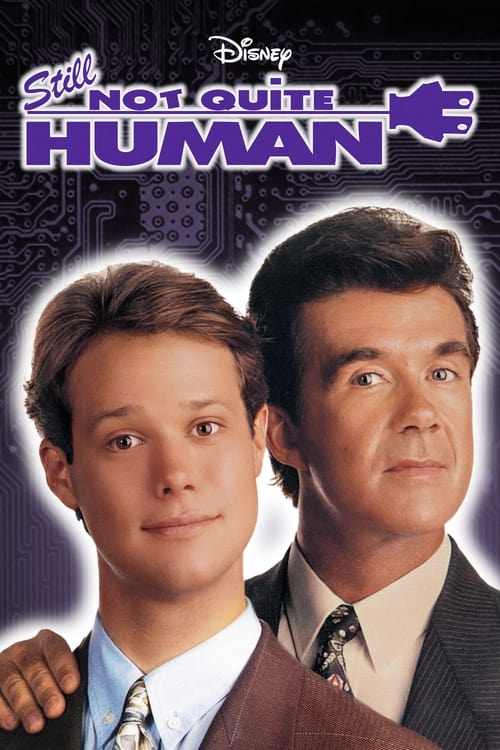
Still Not Quite Human
1992
No user ratings available yet
Diversity score: 1.9 out of 10

1989
NRDirector
Eric Luke
Runtime
91 minutes
Average Rating
No ratings yetSynopsis
Chip, the android boy is back. This time, he is off to college, suffering from a computer virus and in love with Roberta, another android. Will there be a happy ending?
Overall Score
Limited
Category Breakdown
LGBTQ+ Representation
The romantic arc between Chip and Roberta follows a heteronormative structure. There is no evidence of queer subtext or non-cisnormative identities within the narrative.
Gender Representation
Roberta serves as a central emotional figure, yet the film adheres to standard comedic tropes. It does not explicitly subvert traditional gender hierarchies or roles.
Racial & Ethnic Diversity
The film uses androids as a metaphor for 'otherness' but lacks intentional multicultural integration. Casting and character compositions align with standard 1980s demographic norms.
Religious & Cultural Diversity
The story follows conventional Western social milestones like college life and romance. It reinforces standard moral frameworks rather than challenging institutional or religious norms.
Disability Representation
A computer virus acts as a plot device for physical impairment. This malfunction trope lacks the nuance required to represent lived experiences of disability or neurodivergence.
Strengths
Areas for Improvement
AI Analysis
Not Quite Human II operates as a standard genre comedy that uses science fiction to explore the concept of being an outsider. While the android protagonists provide a metaphorical lens for identity, the film stays within the safe, conventional boundaries of late-80s family media. The narrative prioritizes lighthearted tropes over systemic critique. It focuses on personal milestones and romantic connections rather than engaging with complex intersectional identities or social hierarchies. Ultimately, the film functions as a period-typical production that uses its sci-fi premise for plot-driven vulnerability rather than meaningful social representation.
No reviews yet. Be the first to share your thoughts on this movie!
Use the rating form above to leave a star rating and optional review.