
Ana and the Others
2004
No user ratings available yet
Representation score: 7.7 out of 10
Representation Score
Excellent
2005
Director
Anahí Hoeneisen, Daniel Andrade
Runtime
90 minutes
Average Rating
No ratings yetNew Showbiz Analysis
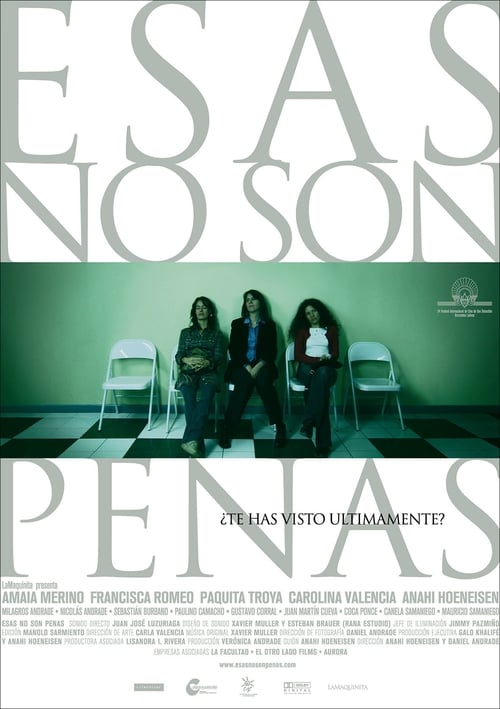
Esas no son penas successfully centers the ability to act of women, moving away from traditional storytelling clichés where women are secondary characters. By focusing on the varied lives of five women in Quito, the film offers a nuanced look at gendered experiences and autonomy. However, the film lacks visible LGBTQ+ representation and specific details about multi-layered racial diversity. While the setting provides a non-Western perspective, the narrative remains centered on conventional relational dynamics. The inclusion of a character facing a serious illness adds a layer of vulnerability, though the depth of this representation remains to be seen.
Category Breakdown
The film does not include any characters with LGBTQ+ identities or address non-straight-centered relationships. The story focuses on traditional relationship issues such as infidelity and motherhood.
The movie centers on the lives of five women, emphasizing their individual ability to act and internal worlds. It breaks away from traditional patriarchal storytelling by highlighting female friendships and diverse life paths.
Set in Quito, the film provides a Latin American perspective. Although specific ethnic details are not given, it offers a departure from predominantly Anglo-Saxon narratives.
The story delves into contemporary issues like substance use and infidelity. This suggests a realistic exploration of human frailties rather than upholding idealized religious or Western family structures.
The plot includes a character dealing with a serious illness, which allows for an exploration of vulnerability and the impact of health crises on personal relationships.
Present on Screen
Limited or Absent
Official Synopsis
One day five women from Quito, friends in their teens, decide to get back together after fourteen years. Helena is waiting for her second child, Marina lives the ups and downs of infidelity, Diana, an early widow, shares her loneliness with her 15 year old daughter and Tamara has not abandoned the random life of nightclubs, men and drugs. The purpose of their get-together is to visit their old classmate, Alejandra, who is consumed by an illness.
2004

2001

2017
2015

2014

2000

2013
1995
No reviews yet. Be the first to share your thoughts on this movie!
Use the rating form above to leave a star rating and optional review.