Scorcher
2002
No user ratings available yet
Representation score: 2.2 out of 10
Representation Score
Limited
2008
Director
Nobuo Mizuta
Runtime
128 minutes
Average Rating
No ratings yetNew Showbiz Analysis
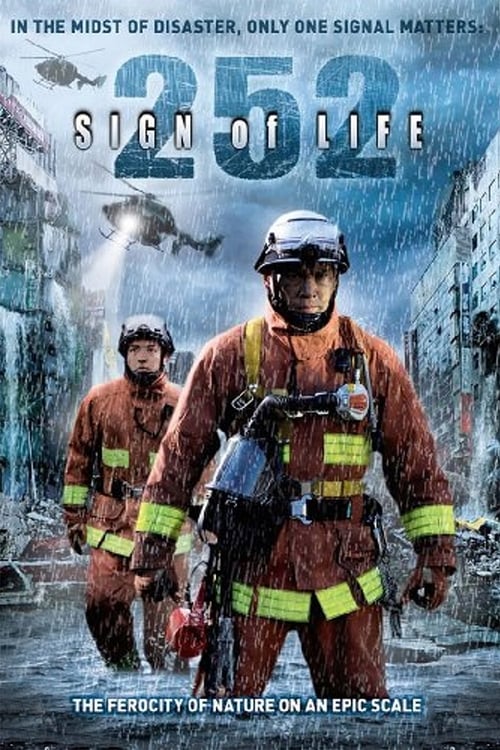
Signal of Life is a traditional disaster drama that prioritizes the mechanics of survival and professional duty over social commentary. The narrative focuses on the Tokyo Fire Department's response to a catastrophic earthquake and typhoon. Because the film adheres strictly to genre conventions, it lacks visible representation of diverse social identities. The focus remains on the collective struggle against environmental collapse rather than exploring varied social perspectives. Ultimately, the film serves as a localized survival story, reflecting the demographic reality of its setting but not attempting to subvert social hierarchies or provide progressive representation.
Category Breakdown
The film does not include explicit LGBTQ+ characters or narratives focusing on non-cisgender identities. The story mainly revolves around the professional duties of the Tokyo Fire Department.
While the cast includes female actors, the narrative centers on a rescue squad often depicted through a masculine lens. It is unclear if the female characters have significant influence over the plot.
The production is a localized Japanese film set in Tokyo with a predominantly Japanese cast. This aligns with the setting but does not aim to disrupt traditional ethnic hierarchies.
The story explores the tension between institutional stability and systemic collapse during a disaster. It critiques the perceived permanence of modern metropolitan infrastructure through its depiction of catastrophe.
There is no mention of characters navigating physical, sensory, or neurodivergent disabilities. No information is available to assess representation in this category.
Present on Screen
Limited or Absent
Official Synopsis
At some point in the distant future, a massive, catastrophic earthquake strikes Tokyo, causing the temperature of the Pacific Ocean to rise meteorically and the largest typhoon in recorded Japanese history to sweep toward the city and inundate it with water. The Tokyo Fire Department and its team of crack rescuers swing into action, and shortly after they do, a distress call arises from an underground subway station - with repeated indications of the rescue code, 252 252, and the exclamation "We Have Survivors." It soon becomes apparent that the local rescue squad must attempt to save the survivors, doing so at the expense of their own lives and safety. Written by Nathan Southern
2002
2013

2005
2016
2008
1997
2010
1993
No reviews yet. Be the first to share your thoughts on this movie!
Use the rating form above to leave a star rating and optional review.