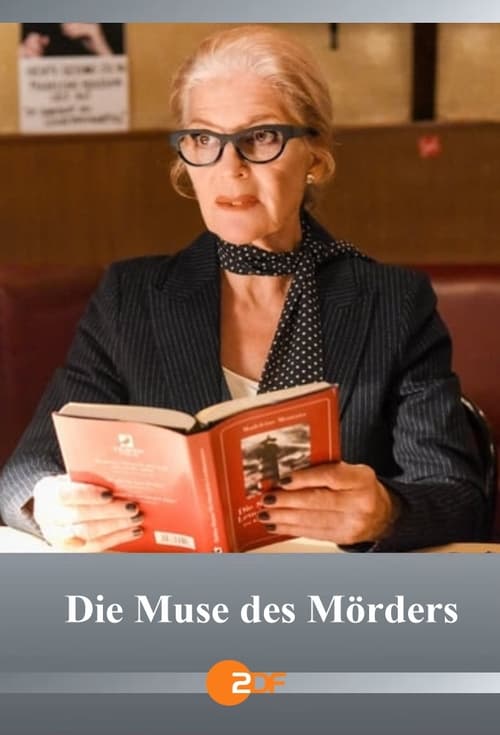
Murder by the Book
2018
No user ratings available yet
Representation score: 5.0 out of 10

Representation Score
Fair
2016
Director
Sherry Hormann
Runtime
89 minutes
Average Rating
No ratings yetNew Showbiz Analysis
The film's diversity is primarily focused on gender dynamics, with a strong female lead navigating high-stakes professional instability. However, the narrative lacks broader demographic representation, such as racial, ethnic, or LGBTQ+ identities. Ultimately, the film functions as a character-driven procedural that prioritizes individual ability to act against systemic inertia rather than broad demographic diversity.
Category Breakdown
The film doesn't include any explicit LGBTQ+ characters or non-cisgender identities. The story centers around the professional relationship between a police officer and a journalist without addressing queer identities.
Karin Wegemann is portrayed as a strong female lead who resists professional stagnation. She actively seeks challenges and takes control within the LKA.
The story follows a conventional European thriller structure set in German institutions. There is no evidence of a diverse cast or intentional racial representation in the described roles.
The plot critiques systemic failures and the power dynamics between the press and the state. It explores how institutions handle human rights crises like child trafficking.
There is no information available regarding the inclusion of characters with physical or neurodivergent disabilities.
Present on Screen
Limited or Absent
Official Synopsis
Karin Wegemann has been transferred. Instead of being on active duty at the LKA, she has been teaching prospective colleagues at the police academy for several months. But a life at a standstill is not made for a woman who feels most comfortable in a headwind. The career change brings her neither external stability nor inner peace. Her superiors see this too. One evening, Wegemann meets investigative journalist Maik Fellner. Child trafficking in Germany has been Fellner's topic for years, but his articles ultimately have no effect whatsoever, and his harrowing research is at best denigrated as slander. Fellner needs Wegemann, but he needs her as an active police officer. He puts Wegemann under pressure and tells her about a 14-year-old witness who has put him on the trail of a child trafficking ring in Potsdam. Her investigation puts her in dire straits, because the perpetrators also know that there is a witness.
2018
2007
2012

2005
2018

2017
2015
2000
No reviews yet. Be the first to share your thoughts on this movie!
Use the rating form above to leave a star rating and optional review.