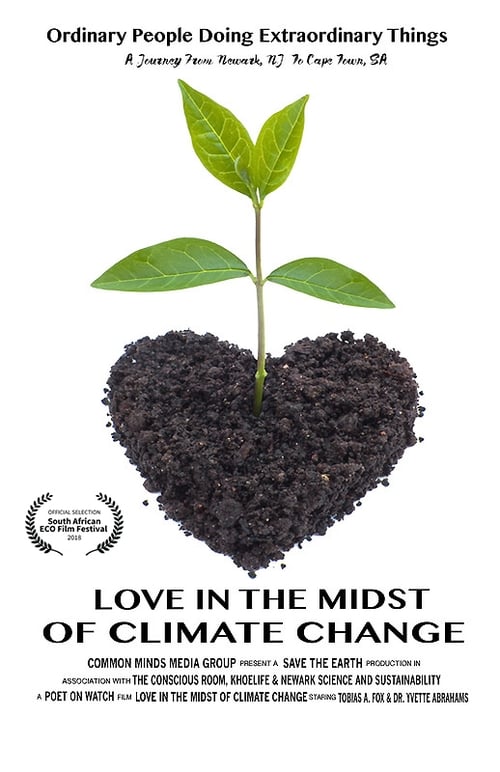
Love In The Midst Of Climate Change
2018
No user ratings available yet
Representation score: 8.6 out of 10

Representation Score
Good
2017
Director
Julia Dahr
Runtime
87 minutes
Average Rating
No ratings yetNew Showbiz Analysis
Thank You for the Rain succeeds by fundamentally shifting the lens of ability to act from the filmmaker to the subject. By allowing Kisilu to drive the narrative through his own camera, the film dismantles the traditional power hierarchies often found in Western documentaries about the Global South. The film's strength lies in its sophisticated critique of global power dynamics. It frames environmental degradation not just as a natural phenomenon, but as a systemic issue affecting local institutions and underrepresented populations. While the film excels in racial ability to act and cultural depth, it offers little visibility regarding LGBTQ+ identities or disability representation. However, its disruption of the 'observer' narrative makes it a significant contribution to equitable documentary filmmaking.
Category Breakdown
The film focuses on the domestic life of a Kenyan farming family and climate change. There is no visible evidence of LGBTQ+ characters or narratives that challenge the assumption that everyone is straight or cisgender.
The story follows Kisilu’s evolution from a father to a global activist. This trajectory challenges traditional patriarchal roles by centering influence on community advocacy and environmental stewardship.
The documentary provides high ability to act to its Kenyan protagonist. By centering a local farmer as the primary storyteller, it avoids common Western 'white savior' clichés.
The narrative explores the tension between traditional agrarian life and globalized systems. It critiques how climate change and industrial capitalism impact underrepresented communities.
There is no discernible information regarding the portrayal of physical or neurodivergent disabilities within the film's narrative.
Present on Screen
Limited or Absent
Official Synopsis
Five years ago Kisilu, a Kenyan farmer, started to use his camera to capture the life of his family, his village and the damages of climate change. When a violent storm throws him and a Norwegian filmmaker together we see him transform from a father, to a community leader and activist on the global stage.
2018
2015

2016

2020

2015
2017

2020
2012
No reviews yet. Be the first to share your thoughts on this movie!
Use the rating form above to leave a star rating and optional review.