
Lootcase
2020
No user ratings available yet
Diversity score: 4.4 out of 10
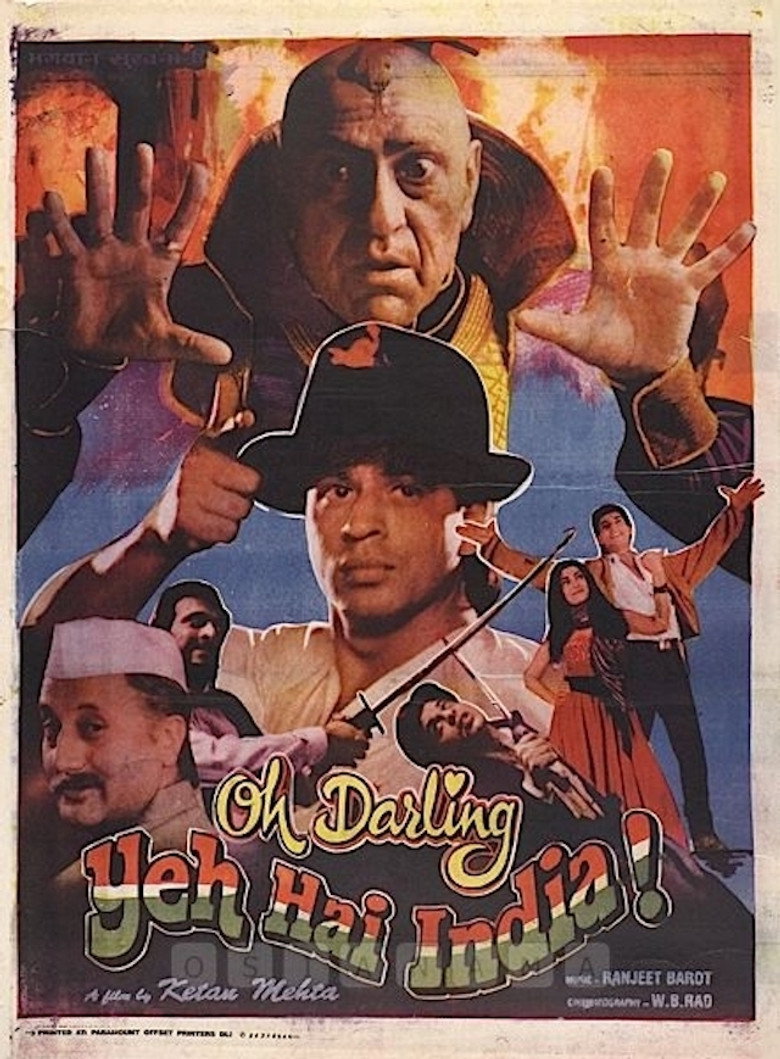
1995
Director
Ketan Mehta
Runtime
153 minutes
Average Rating
No ratings yetSynopsis
Miss India and an aspiring actor spend a night together roaming the streets of Mumbai and unwittingly clash paths with a megalomaniacal gangster planning to take over India.
Overall Score
Fair
Category Breakdown
LGBTQ+ Representation
The film lacks explicit LGBTQ+ characters or narratives. It operates within the heteronormative frameworks and romantic archetypes common to mid-90s mainstream Indian cinema.
Gender Representation
While utilizing traditional tropes like the 'heroine' and 'dancer,' the film grants Miss India a degree of agency. The satirical tone offers a slight departure from rigid patriarchal depictions.
Racial & Ethnic Diversity
The production captures the diverse social strata of Mumbai through a multi-ethnic cast. It uses regional and socioeconomic friction to represent cultural plurality within the Indian context.
Religious & Cultural Diversity
As a social satire, the film critiques class stratification and systemic corruption. It engages with anti-establishment themes by pitting commoners against the elite and powerful.
Disability Representation
There is no significant evidence of characters with visible or invisible disabilities. The narrative focus remains on social archetypes rather than neurodivergence or physical disability.
Strengths
Areas for Improvement
AI Analysis
Ketan Mehta’s direction elevates this comedy into a piece of social critique. By utilizing satire and a surreal structure, the film challenges established norms and critiques the systemic inequities of a stratified society. The work finds its strength in cultural representation, specifically through its engagement with class hierarchies and anti-establishment themes. It effectively uses the urban landscape of Mumbai to highlight various socioeconomic identities. However, the film is limited by the era's conventions. It lacks representation for LGBTQ+ and disabled individuals and remains tethered to traditional gender archetypes common in 1990s Bollywood.
2020
2014
2006

2006
2007
2003
2016
2010
2004
2015
2009

2012
No reviews yet. Be the first to share your thoughts on this movie!
Use the rating form above to leave a star rating and optional review.