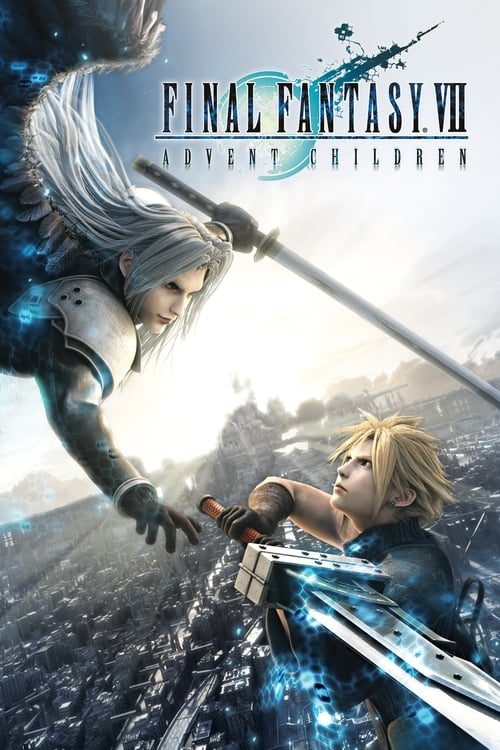
Final Fantasy VII: Advent Children
2005
No user ratings available yet
Representation score: 7.4 out of 10
Representation Score
Fair
2017
TV-14Director
Tomohiko Ito
Runtime
119 minutes
Average Rating
No ratings yetNew Showbiz Analysis
The film excels at challenging traditional gender roles by presenting women as highly skilled combatants rather than passive observers. It also offers a sophisticated critique of corporate control and the commodification of human experience. However, the work remains demographically narrow. The cast is largely homogeneous, and the romantic core follows a strictly traditional framework without queer representation. Ultimately, the film prioritizes high-concept themes of digital existence over broader social representation.
Category Breakdown
The story relies on a traditional assumption that everyone is straight and cisgender. The central plot revolves around the romantic relationship between Kirito and Asuna, with no queer subtext or non-cisgender identities present.
Female characters like Sinon and Lisbeth show strong ability to act and combat skills. The film passes the Bechdel test through meaningful conversations about tactics and plot mechanics.
The cast is a homogeneous group of Japanese-coded characters. The narrative lacks diverse ethnic representation or casting actors from different backgrounds.
The film critiques corporate dominance and the ethics of data capitalism. It explores the tension between player freedom and corporations that commodify human memories.
The narrative uses digital immersion as a metaphor for sensory or cognitive dissociation. However, it lacks character-driven explorations of neurodivergence or physical disabilities.
Present on Screen
Limited or Absent
Official Synopsis
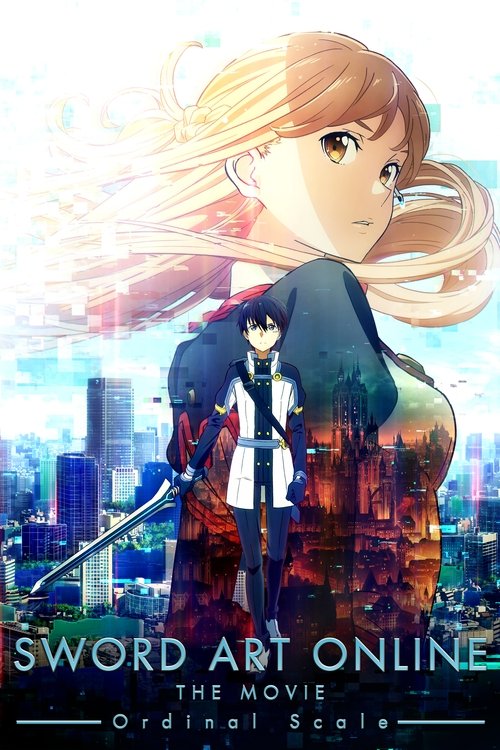
In 2026, a new machine called the Augma is developed to compete against the NerveGear and its successor, the Amusphere. A next-gen wearable device, the Augma doesn't have a full-dive function like its predecessors. Instead, it uses Augmented Reality to get players into the game. It is safe, user-friendly and lets users play while they are conscious, making it an instant hit on the market. The most popular game on the system is “Ordinal Scale” an ARMMORPG developed exclusively for the Augma. Asuna and the gang have already been playing OS for a while, by the time Kirito decides to join them. They’re about to find out that Ordinal Scale isn’t all fun and games…
2005
2021

2022
2015
2013
2016
2017
2017
No reviews yet. Be the first to share your thoughts on this movie!
Use the rating form above to leave a star rating and optional review.