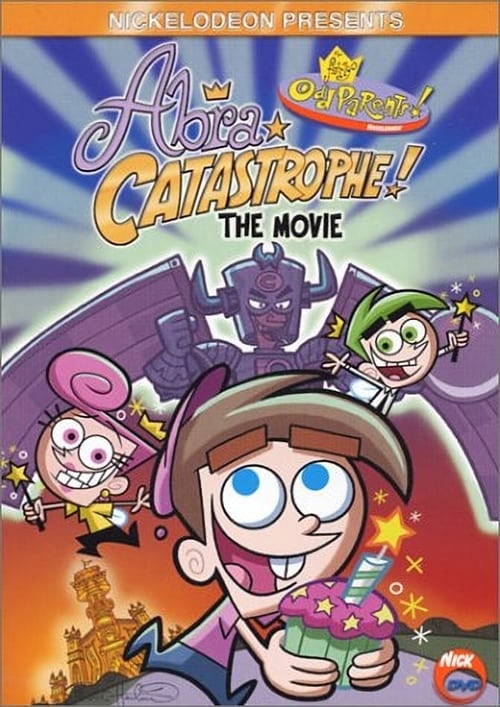
The Fairly OddParents: Abra Catastrophe! The Movie
2003
No user ratings available yet
Representation score: 0.8 out of 10
Representation Score
Limited
2004
Director
Butch Hartman
Runtime
72 minutes
Average Rating
No ratings yetNew Showbiz Analysis
The film primarily serves as a meta-textual parody of television clichés and media consumption. It uses a genre-hopping structure to deconstruct how audiences interact with different broadcast styles. While the narrative excels at comedic escapism and critiquing the power of media, it doesn't prioritize diverse representation. The social landscape remains largely traditional and homogeneous. Ultimately, the work is designed for high-energy slapstick and genre satire rather than challenging social hierarchies or exploring diverse human experiences.
Category Breakdown
The film doesn't include any LGBTQ+ characters or non-assuming gender matches what was assigned at birth identities. Character dynamics follow traditional heterosexual norms typical in early-2000s animation.
Female magical guardians play a significant role in the story, but the central conflict is driven by a male lead. The film uses traditional gender roles and cartoon hierarchies.
Character designs stick to standard animation archetypes without diverse casting. Dimmsdale is portrayed as a homogeneous suburban setting.
The story critiques the addictive nature of television in a modern context. However, it presents a simple struggle between good and evil.
The film doesn't focus on visible or invisible disabilities. Characters are defined by magical abilities or genre parodies rather than disabilities.
Present on Screen
Limited or Absent
Official Synopsis
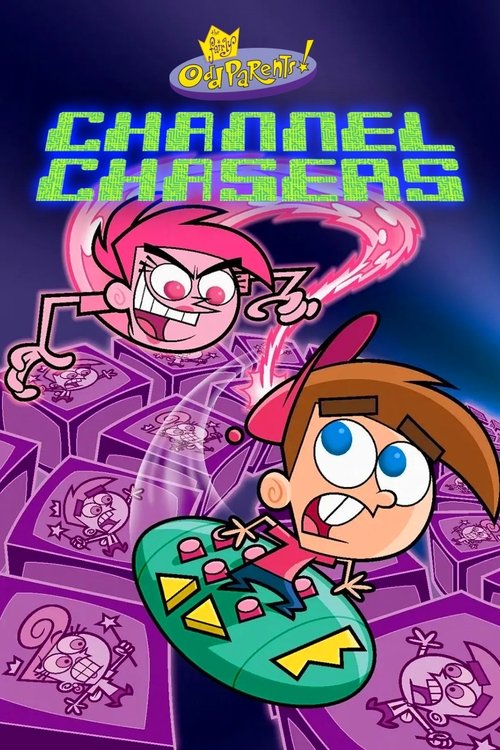
After being punished with no more television for the rest of his life, Timmy wishes himself into the world of television in order to escape the harsh reality of his life and his parents. Unfortunately for him, his carelessness with magic results in Vicky taking over the world in the future. It's all up to Timmy to stop her in attempts to prevent her from destroying Dimmsdale, while escaping a mysterious masked man that is trying to track him down.
2003
2003
2005
2001

2014

2010
2009
2009
No reviews yet. Be the first to share your thoughts on this movie!
Use the rating form above to leave a star rating and optional review.