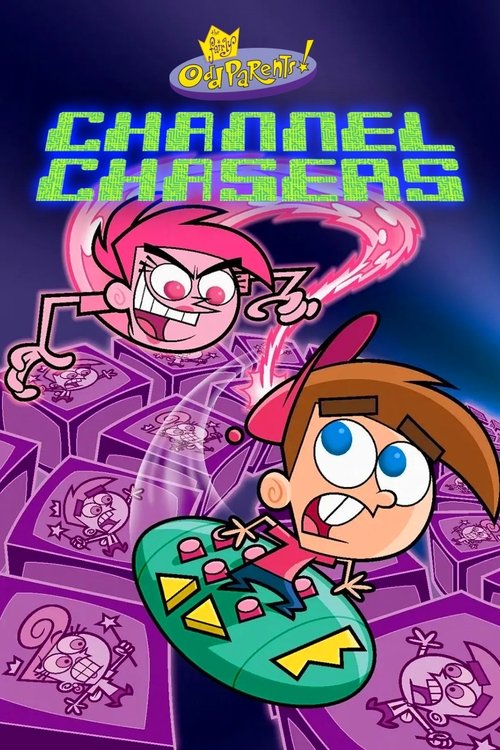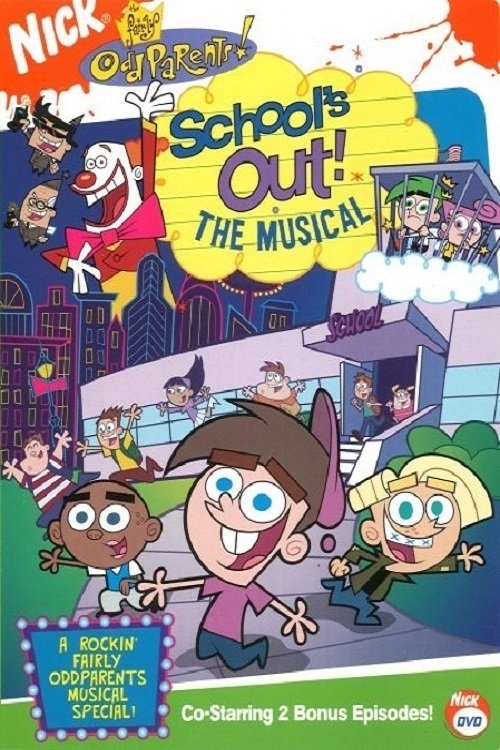
The Fairly OddParents: School's Out! The Musical
2005
No user ratings available yet
Diversity score: 2.3 out of 10
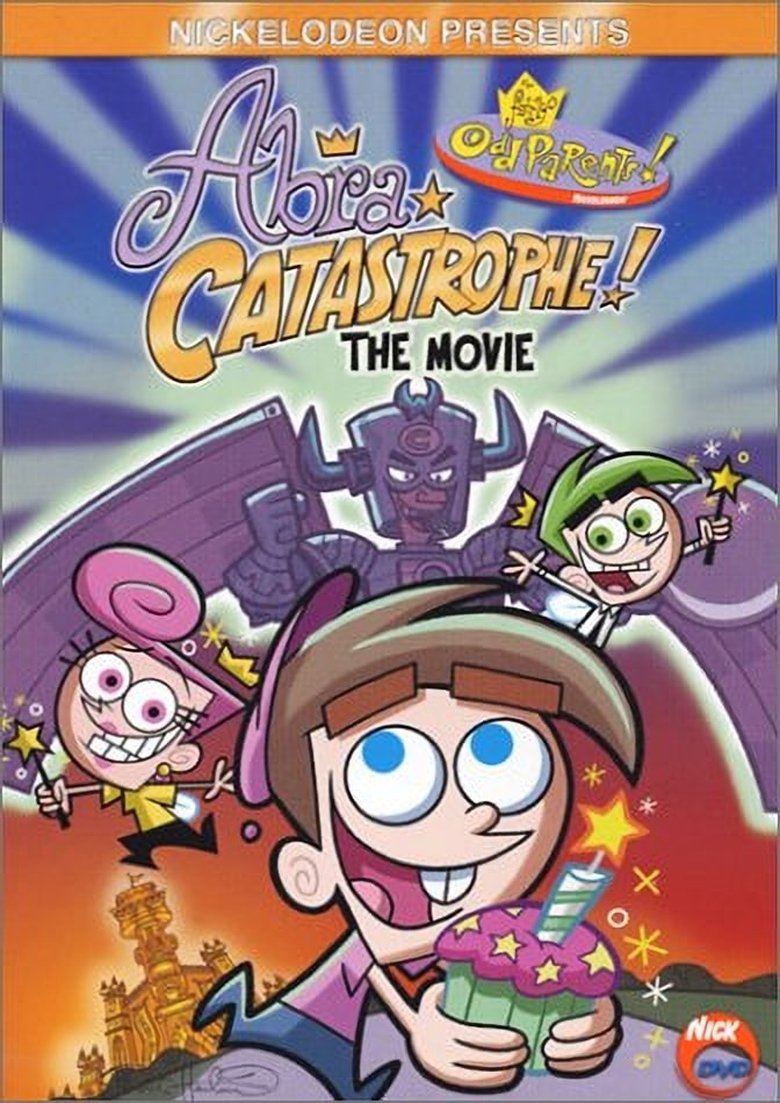
2003
Not RatedDirector
Butch Hartman
Runtime
74 minutes
Average Rating
No ratings yetSynopsis
Evil lurks when Timmy's teacher and fairy hunter tries to capture a fairy to become Supreme MagicalRuler.
Overall Score
Minimal
Category Breakdown
LGBTQ+ Representation
The film lacks LGBTQ+ characters or depictions of same-sex intimacy. Dimmsdale's social landscape remains centered on heteronormative family and peer structures.
Gender Representation
While Wanda provides significant magical utility and intelligence, the narrative hierarchy remains centered on Timmy Turner. The film relies on established comedic tropes rather than subverting gendered roles.
Racial & Ethnic Diversity
The cast and setting reflect a homogeneous demographic typical of early 2000s animation. There is no meaningful racial blending or use of non-human metaphors to address diversity.
Religious & Cultural Diversity
The story follows a traditional Western arc focused on restoring order against a single antagonist. It reinforces binary morality and the preservation of established social structures.
Disability Representation
There are no identifiable depictions of physical, sensory, or neurodivergent disabilities. Characters are presented through a lens of standard functional capability.
Strengths
Areas for Improvement
AI Analysis
The film functions as a traditionalist animated adventure that prioritizes individual agency and the restoration of order. It adheres to the conventional demographic and social frameworks prevalent in mainstream children's media from the early 2000s. Narrative structures focus on established character archetypes and slapstick comedy rather than exploring identity or systemic power dynamics. This results in a lack of intentionality regarding intersectional representation. Ultimately, the work reinforces a stable, status-quo reality through a binary moral lens, offering little engagement with diverse cultural or social perspectives.
No reviews yet. Be the first to share your thoughts on this movie!
Use the rating form above to leave a star rating and optional review.