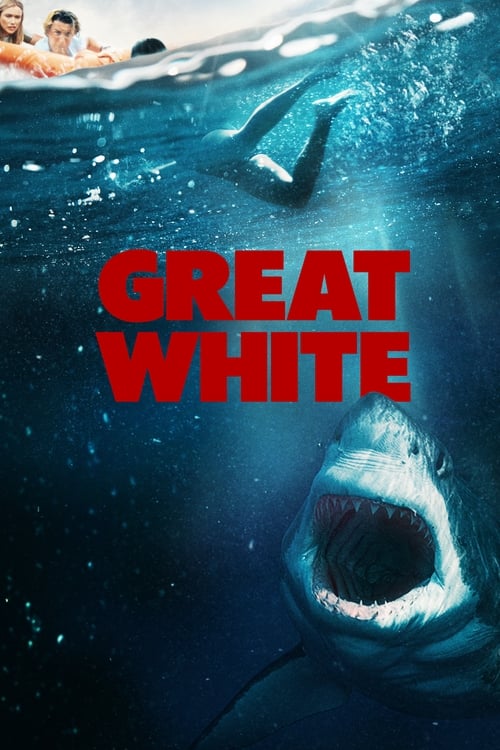
Great White
2021
No user ratings available yet
Representation score: 3.2 out of 10

Representation Score
Fair
1989
RDirector
Phillip Noyce
Runtime
96 minutes
Average Rating
No ratings yetNew Showbiz Analysis
Dead Calm primarily functions as a character study of survival and shifting power dynamics. Its most significant achievement is the empowerment of its female protagonist, who evolves from a grieving spouse into a decisive, independent survivor. However, the film is notably narrow in its social scope. The cast lacks racial and ethnic diversity, adhering to traditional casting norms. It also fails to utilize the Pacific setting for broader cultural representation. Ultimately, while the film succeeds in challenging gendered hierarchies, it lacks multi-layered breadth. It remains a focused, secular thriller that prioritizes psychological tension over diverse representation.
Category Breakdown
The film focuses solely on heterosexual relationships and does not depict any LGBTQ+ identities or non-cisgender characters.
The narrative challenges the 'damsel in distress' cliché by showing the female lead transform from emotional vulnerability to a strong, independent survivor. She ultimately outsmarts a predatory male character.
The cast is predominantly white and homogeneous. The setting lacks racial diversity, sticking to traditional casting norms of the time.
The story focuses on individual psychological survival rather than religious or systemic themes. It depicts a breakdown of social norms due to isolation in the open sea.
Psychological trauma and grief drive the plot and character vulnerability. However, these elements serve the thriller genre rather than providing nuanced explorations of disability or neurodivergence.
Present on Screen
Limited or Absent
Official Synopsis
An Australian couple takes a sailing trip in the Pacific to get over the recent loss of their son. While on the open sea, they come across a sinking ship with one survivor who is not at all what he seems.
2021

1979
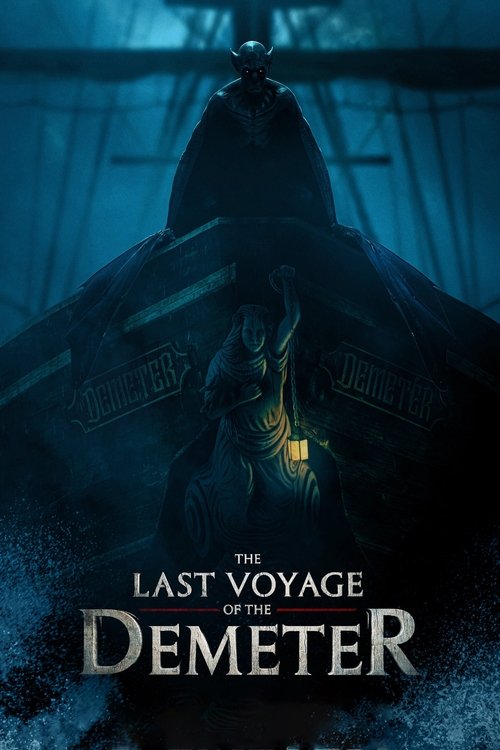
2023

1981

2010
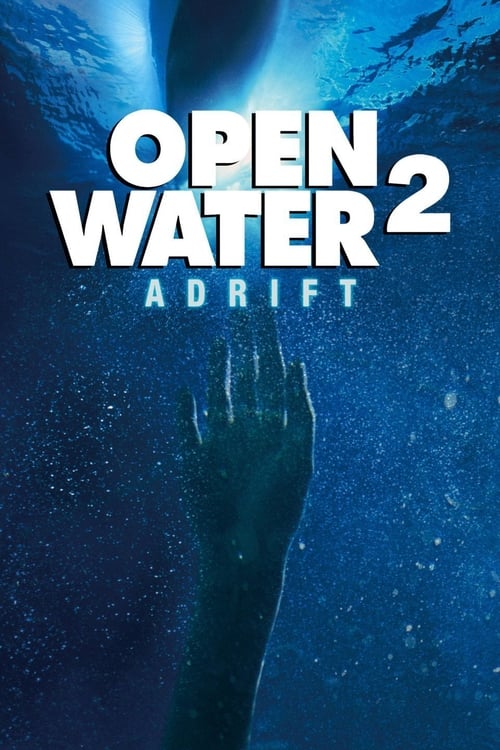
2006
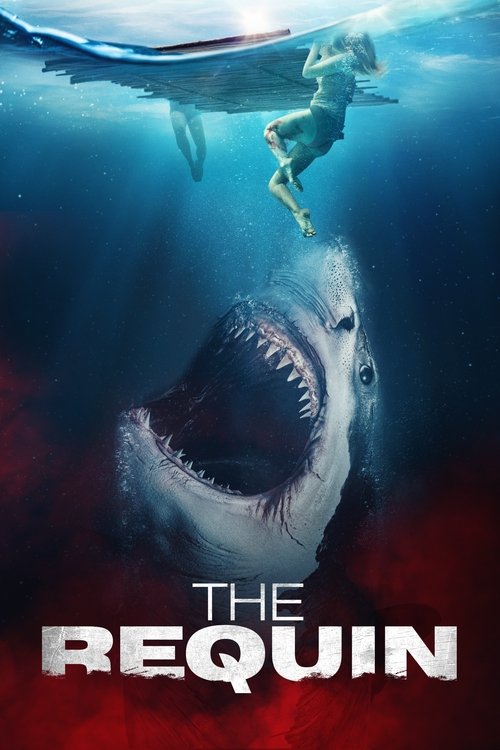
2022

2016
No reviews yet. Be the first to share your thoughts on this movie!
Use the rating form above to leave a star rating and optional review.