
Sorority Sister Killer
2021
No user ratings available yet
Representation score: 4.0 out of 10
Representation Score
Minimal
2016
UnratedDirector
Ben Demaree
Runtime
86 minutes
Average Rating
No ratings yetNew Showbiz Analysis
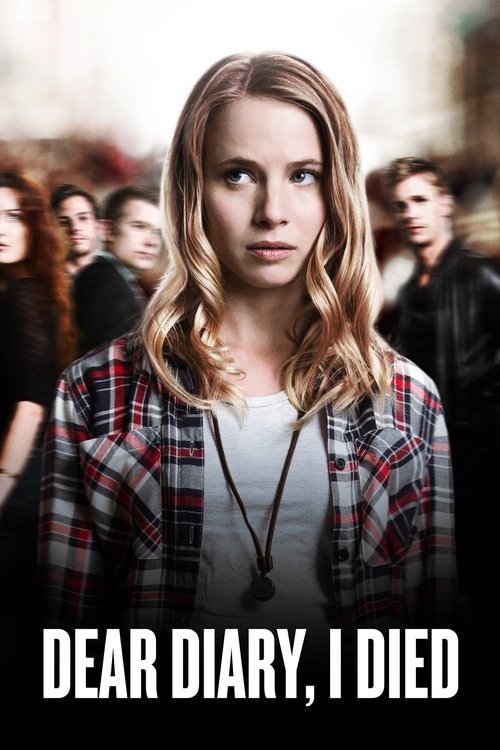
Dear Diary, I Died is a character-driven mystery that finds its strength in centering women's ability to drive the story. By placing the investigative intellect and the central conflict in the hands of two sisters, the film avoids typical male-centric thriller clichés. However, the film lacks diversity. It provides no evidence of racial, ethnic, or LGBTQ+ representation, making the narrative feel narrow in its social scope. The focus remains on a singular, interpersonal mystery rather than a broader cultural critique. Ultimately, while the film succeeds in presenting a female-led investigation, it follows a traditional thriller trajectory without challenging broader social or cultural hierarchies.
Category Breakdown
The film does not include any explicit references to LGBTQ+ identities or same-sex relationships. The story focuses solely on the relationship between the two sisters.
The story emphasizes the role of women, driven by Rebecca's investigative skills and Diana's central conflict. This shifts the thriller focus away from traditional male-driven action clichés.
There is no information regarding the racial or ethnic composition of the cast. The narrative provides no evidence of diverse casting or specific ethnic representation.
The plot explores subjective morality and questions of truth. It suggests a departure from traditional moralism through the characters' internal struggles and systemic threats.
While suicide serves as a central plot point, there is no evidence of a study on mental health or physical disabilities. The film does not represent neurodivergence.
Present on Screen
Limited or Absent
Official Synopsis
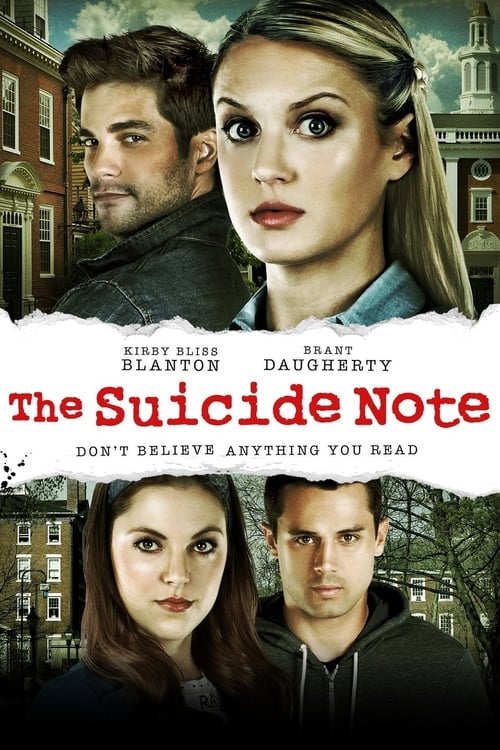
When Rebbeca' sister Diana returns home after being away for a while things seem odd. Diana's desperately trying to hide secrets from her sister. Rebbeca takes the detective approach to work out what's going on only to find Diana Is in serious trouble. Before Rebecca could get the truth from her sister, Diana commits suicide. Being convinced her death was more than just suicide, Rebecca searches deeper for answers in effect putting her life at risk.
2021

2021
2006
2020
2020
2016
2003

2018
No reviews yet. Be the first to share your thoughts on this movie!
Use the rating form above to leave a star rating and optional review.