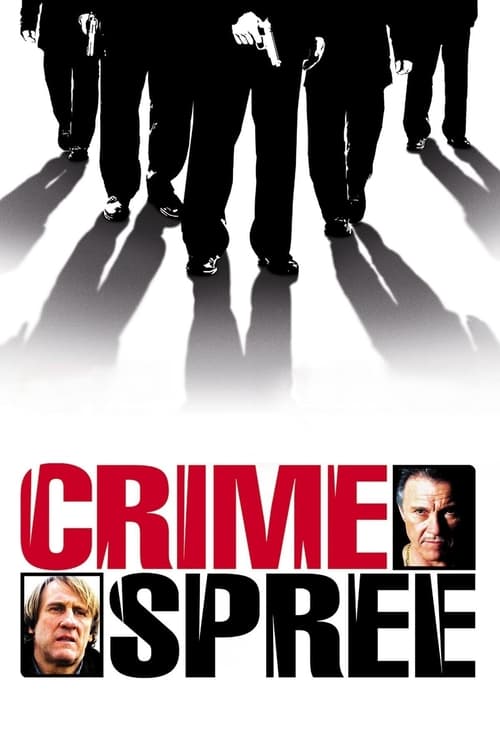
Crime Spree
2003
No user ratings available yet
Representation score: 2.0 out of 10
Representation Score
Limited
2002
Director
Louis Saia
Runtime
108 minutes
Average Rating
No ratings yetNew Showbiz Analysis
Dangerous People operates as a conventional crime comedy that prioritizes genre clichés over social complexity. The plot follows a standard kidnapping arc, focusing on the pursuit of a ransom rather than the exploration of diverse identities. The narrative structure relies on established archetypes, such as the mafia and regional scoundrels. This approach favors situational irony and plot momentum over the deconstruction of social hierarchies or multi-layered representation. Ultimately, the film functions within a localized, potentially homogeneous social framework. It lacks the intentional subversion of power dynamics necessary to move beyond traditional, narrow storytelling patterns.
Category Breakdown
The film does not include any visible LGBTQ+ characters or stories about non-cisgender identities. The plot revolves around a typical kidnapping and ransom scenario.
Roxane Labelle is a central character but mostly serves as a passive object of pursuit. The narrative drivers remain male-dominated, reinforcing traditional gender roles.
The story focuses on a localized Québécois setting with regional stereotypes. There is no evidence of diverse racial identities or a non-homogeneous cast.
The film uses a standard crime-comedy framework driven by greed. It does not offer any explicit critique of systemic structures like religion or capitalism.
There is no mention of characters with visible or invisible disabilities. The narrative does not address neurodivergence or physical impairments.
Present on Screen
Limited or Absent
Official Synopsis
It has kidnapped Roxane Labelle, a Canadian singer covered gold records and awards. To his captors, no question of release without payment of a large ransom. Father and manager of the star, Paul Labelle asks a small accountant do it. Easier said than done, especially the payer also has a large sum to the Mafia and, rapidly, what Québec account scoundrels, thieves and killers are chasing the fabulous bonanza.
2003
1985

2019

1997

2021
2004

2010
2013
No reviews yet. Be the first to share your thoughts on this movie!
Use the rating form above to leave a star rating and optional review.